
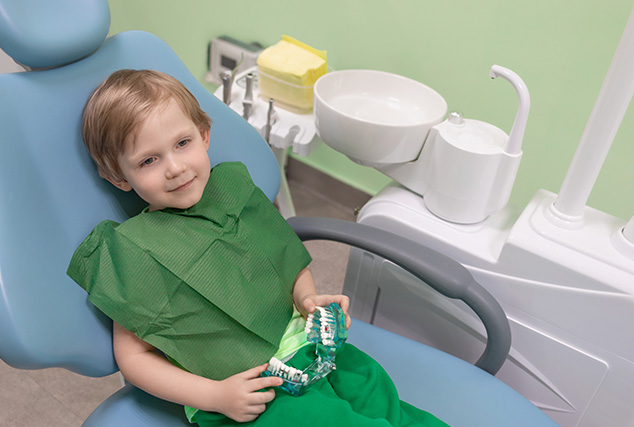
Some children feel nervous before dental visits because of unfamiliar sounds, fear of treatment, or past experiences. For others, difficulty sitting still, strong gag reflexes, or sensory sensitivities may make routine care especially challenging. When fear becomes overwhelming, children may avoid treatment or struggle to complete necessary procedures comfortably.
Sedation dentistry helps create a calmer experience for young patients who need additional support during appointments. Modern pediatric sedation approaches are carefully planned around comfort, emotional reassurance, and individualized treatment needs while maintaining close attention to safety.
Families looking for Sedation Dentistry in Shawnee, KS, want care that helps children undergo treatment without stress or fear. Pediatric sedation dentistry today focuses on improving comfort and supporting smoother, more manageable treatment experiences for both children and parents.
Reducing anxiety early may positively influence long-term oral healthcare habits later in life.
Children Experience Dental Anxiety in Different Ways
Dental anxiety does not always appear the same for every child. Some become tearful or fearful before appointments, while others may refuse treatment, become highly sensitive to sounds, or struggle to remain still during procedures.
Even preventive appointments can feel intimidated when children are uncertain about what will happen. Longer restorative procedures may increase stress further if emotional discomfort continues building during treatment.
Parents considering Sedation Dentistry Shawnee, KS, appreciate practices that evaluate each child individually rather than approaching anxiety the same way for every patient.
Personalized care often improves both emotional comfort and treatment cooperation.
Sedation Dentistry May Improve Treatment Efficiency
When children feel overwhelmed during appointments, completing restorative or preventive procedures comfortably may become more difficult. Sedation dentistry can help reduce emotional stress while allowing treatment to proceed more smoothly.
Depending on the child’s needs and the complexity of treatment, sedation may help promote relaxation and cooperation during procedures that require sustained attention.
Below is a simple overview of situations where sedation dentistry may sometimes be considered helpful for pediatric patients:
Careful treatment planning helps determine whether sedation may improve the overall experience for individual patients.
Safety Remains an Important Priority
Parents commonly have questions about how pediatric sedation works and what safety measures are involved during treatment. Pediatric sedation dentistry involves careful planning, medical reviews, monitoring, and individualized recommendations based on each child’s needs.
Clear communication before appointments often helps families feel more informed and reassured regarding sedation procedures and recovery expectations.
Within Jenkins Dentistry for Kids, sedation discussions may include supportive guidance on preparation, comfort strategies, and treatment expectations tailored specifically for children and families.
Thoughtful preparation often improves confidence before treatment begins.
Some Children Benefit More from Sedation Support
Not every child requires sedation during dental treatment. However, some patients may benefit significantly because of strong anxiety, previous traumatic experiences, developmental challenges, or extensive treatment needs.
Children with heightened sensory sensitivities or difficulty tolerating longer appointments may also feel more comfortable with sedation-assisted care.
Families exploring Sedation Dentistry Shawnee, KS often value practices that carefully evaluate emotional comfort alongside clinical treatment planning rather than focusing only on procedures themselves.
Individualized support frequently creates more positive experiences overall.
Positive Experiences Can Influence Future Dental Habits
Children who experience highly stressful appointments may become increasingly fearful of future dental care later in life. Creating calmer and more supportive treatment experiences early may help reduce long-term dental anxiety significantly.
Supportive communication, emotional reassurance, and positive reinforcement all help children gradually build confidence surrounding oral healthcare visits.
Children who feel emotionally safe during treatment are often more willing to maintain preventive care consistently as they grow older.
Comfort-focused care, therefore, supports emotional wellness alongside oral health.
Preventive Care Still Helps Reduce Treatment Needs
Although sedation may improve comfort during treatment, preventive dentistry remains essential for reducing the likelihood of larger procedures whenever possible.
Routine dental cleanings, healthy nutrition habits, fluoride treatments, and strong home hygiene routines all continue helping lower cavity risk throughout childhood. Preventive consistency often reduces the need for extensive restorative care later.
Families frequently notice smoother long-term dental experiences when preventive habits remain strong both at home and during regular appointments.
Prevention and comfort-focused care often work together successfully.
Calmer Dental Visits May Improve Long-Term Confidence
Sedation dentistry can help many children receive important treatment in a way that feels less overwhelming emotionally. Reducing fear during appointments often improves both treatment cooperation and future comfort surrounding dental care.
Modern pediatric sedation dentistry focuses heavily on emotional reassurance, safety, and individualized support for young patients. Individuals value Jenkins Dentistry for Kids supportive communication style and comfort-focused approach, which helps children feel calmer during dental treatments.
Frequently Asked Questions
Why might a child need sedation during dental treatment?
Sedation may help children experiencing severe anxiety, sensory sensitivities, strong gag reflexes, or extensive treatment needs.
Is pediatric sedation dentistry carefully monitored?
Yes. Pediatric sedation involves careful planning, monitoring, and individualized safety considerations throughout treatment.
Can sedation help children feel less nervous about future appointments?
Positive treatment experiences may reduce long-term dental anxiety and improve comfort during future visits.
Does every child require sedation during restorative treatment?
No. Sedation recommendations depend on the child’s emotional comfort, treatment complexity, and individual needs.
What helps children maintain healthier long-term dental experiences?
Preventive care, supportive communication, strong hygiene habits, and guidance from Jenkins Dentistry for Kids may help children feel more confident during appointments.