
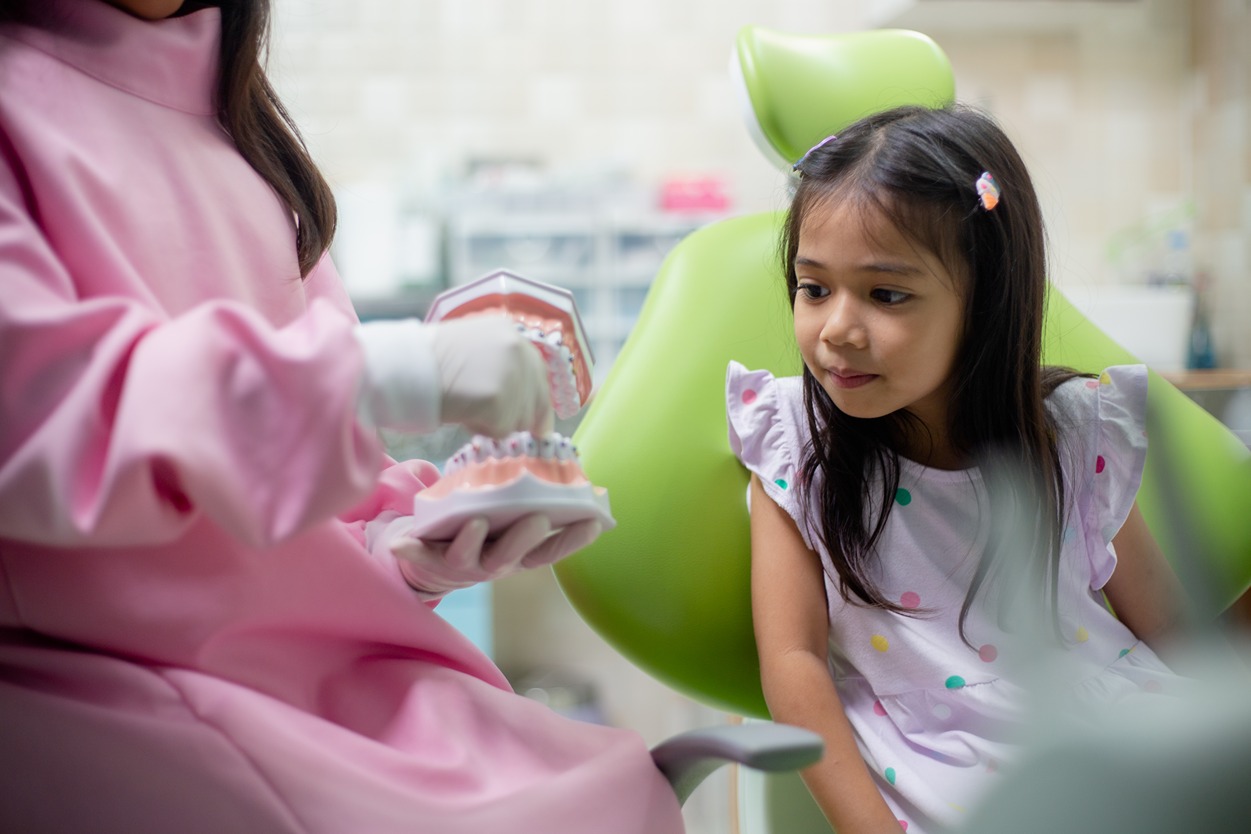
Children experience dental care differently from adults. A child’s emotional comfort, understanding of treatment, and trust during appointments often influence how they approach oral healthcare later in life. Because of this, pediatric dentistry focuses not only on treating teeth but also on helping children feel safe, calm, and supported throughout their visits.
As children grow, their oral health needs continue to change rapidly. Tooth eruption, jaw development, hygiene habits, and cavity risk all require ongoing preventive monitoring. Early attention may help identify concerns before they gradually develop into larger problems requiring more extensive treatment.
Families researching dentistry for children in Lenexa, KS, are often looking for preventive-focused care that combines education, patience, and age-appropriate treatment planning. Modern pediatric dentistry increasingly emphasizes comfort, communication, and positive long-term experiences tailored to growing smiles.
Children Usually Benefit from Preventive Consistency
Routine dental visits help children gradually become more familiar with examinations, cleaning, and preventive care. Repeated positive experiences often reduce fear while improving comfort during future appointments.
Preventive visits also allow clinicians to monitor cavity risk, oral development, and hygiene habits before concerns become more serious. Fluoride treatments, sealants, and professional cleanings may all help support healthier enamel and gum health during childhood.
Parents choosing Dentistry for Children in Lenexa, KS commonly value practices that encourage prevention and education rather than waiting until discomfort develops before treatment begins.
Consistency often creates healthier long-term outcomes than reactive dental care alone.
Baby Teeth Continue Supporting Important Development
Some families assume primary teeth require less attention because they eventually fall out naturally. However, baby teeth help support chewing, speech development, spacing, and healthy jaw growth throughout childhood.
Untreated cavities or infections in primary teeth may sometimes affect neighboring teeth or future alignment if preventive care is inconsistent. Therefore, monitoring oral development carefully remains important at every stage of growth.
Routine pediatric evaluations also help clinicians identify habits or developmental concerns that may eventually require additional attention later.
Protecting primary teeth often contributes to healthier transitions into permanent dentition.
Children Respond Better to Age-Appropriate Communication
Young patients usually feel more comfortable when procedures are explained in simple, reassuring terms. Technical language or rushed appointments may increase anxiety if children do not fully understand what to expect.
Pediatric-focused environments often emphasize positive reinforcement, gentle pacing, and child-friendly explanations that help young patients feel more involved during appointments.
At Jenkins Dentistry for Kids, pediatric care may involve supportive communication and preventive education tailored specifically to each child’s comfort level, developmental stage, and oral health needs.
Children frequently become more cooperative when appointments feel calm and predictable.
Everyday Habits Influence Oral Health Significantly
Daily routines outside the dental office strongly affect childhood oral health. Frequent sugary snacks, inconsistent brushing, limited flossing, and poor hydration habits may gradually increase the risk of cavities over time.
Parents often benefit from practical guidance on brushing techniques, fluoride use, nutrition choices, and preventive strategies tailored to children.
Families interested in Dentistry for Children in Lenexa, KS often appreciate realistic recommendations that fit naturally into everyday family routines rather than feeling overly complicated or difficult to maintain.
Small daily habits often lead to meaningful long-term improvements in oral health.
Emotional Comfort Plays an Important Role
Dental anxiety may begin early if children’s associate appointments with fear or discomfort. Supportive pediatric environments, therefore, focus heavily on helping children feel emotionally comfortable throughout treatment experiences.
Positive interactions, encouraging language, and familiar routines may all help reduce stress during appointments. Emotional reassurance often improves both cooperation and long-term confidence with dental care.
Children who feel supported during preventive visits are often more willing to maintain regular dental care later in adolescence and adulthood.
Comfort-focused experiences frequently influence lifelong oral health habits.
Growth Monitoring Helps Identify Concerns Earlier
Children’s mouths continue to change rapidly throughout developmental years. Bite relationships, eruption of timing, spacing, and jaw growth all influence future oral stability.
Routine pediatric evaluations allow clinicians to monitor these developmental changes and identify concerns early enough to make more conservative recommendations whenever possible.
Preventive observation may also help reduce future restorative or orthodontic complications later in life.
Long-term oral wellness often benefits from consistent developmental monitoring throughout childhood.
Positive Childhood Dental Experiences Can Last for Years
Pediatric dentistry helps children develop healthier smiles while also shaping how they feel about oral healthcare throughout life. Preventive consistency, emotional support, and individualized communication all contribute to stronger long-term dental habits.
Children often respond best when dental visits feel educational, supportive, and calm rather than stressful or rushed. Many People appreciate the preventive philosophy and child-centered care approach emphasized by Jenkins Dentistry for Kids in helping young patients build healthier lifelong oral health routines.
Frequently Asked Questions
Why should children begin preventive dental visits early?
Early preventive care helps children become comfortable with dental visits while supporting healthier long-term oral habits.
Are baby teeth important even though they eventually fall out?
Yes. Baby teeth support chewing, speech, spacing, and healthy jaw development throughout childhood.
What causes cavities most commonly in children?
Sugary snacks, inconsistent brushing habits, plaque buildup, and poor hygiene routines commonly increase cavity risk.
How can parents help reduce dental anxiety in children?
Positive language, familiar routines, preventive consistency, and supportive pediatric dental environments often improve comfort levels.
What helps children maintain healthier smiles long term?
Strong hygiene habits, balanced nutrition, preventive visits, and ongoing guidance from Jenkins Dentistry for Kids may support healthier oral development over time.