
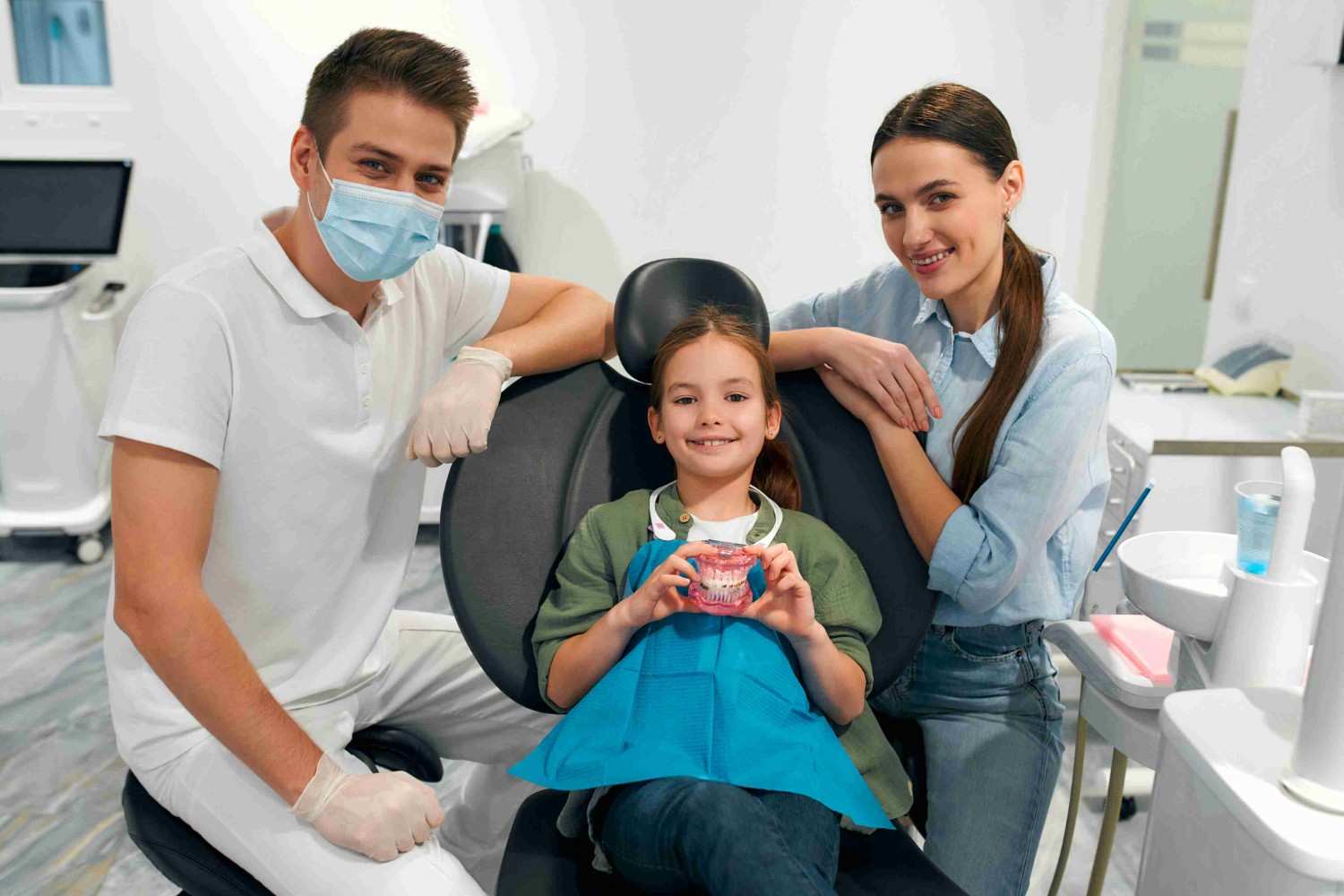
Pediatric Dental Care Shawnee, KS helps children build healthy brushing, flossing, eating, and dental visit habits while monitoring tooth development, gum health, cavity risk, and bite changes. Parents in Shawnee can use pediatric dental visits to understand what their child is doing well, where plaque is being missed, and what may need closer attention. A child’s dental visit may include cleanings, exams, prevention guidance, X-rays when needed, and treatment planning based on the child’s age and oral health.
Good dental habits are not built in one day. Children learn through reminders, routines, practice, and guidance that fits their age. A parent may help a preschooler brush every night, then later realize a school-age child is missing the same back molars over and over. In Shawnee, KS, pediatric dental visits can help families turn daily routines into stronger oral health habits.
Pediatric Dental Care Shawnee, KS is about more than checking for cavities. It can help parents understand how a child’s mouth is changing, where cleaning is difficult, and what habits may raise cavity risk. Some children need help with brushing techniques. Others need diet guidance, sealant discussions, or closer monitoring because of past decay. The goal is to support children before small problems become painful or discouraging.
Habits Change as Children Grow
A toddler’s dental routine looks very different from a teen’s routine. Young children usually need hands-on help with brushing. They may not clean along the gumline or reach the back teeth well. Older children may brush on their own but rush through the process.
Teens may have other challenges. Busy schedules, frequent snacking, sports drinks, braces, aligners, or inconsistent flossing can affect oral health. A child who did well for years may still need new guidance as habits change.
Through Pediatric Dental Care Shawnee, KS, the dentist can adjust advice based on age, risk, and development. This helps parents avoid using the same home care plan for every stage.
What a Kids Dental Exam Can Reveal
Parents may see the front teeth every day, but many dental changes happen in areas that are harder to notice. Back teeth may have deep grooves. Plaques may be collected near the gumline. Cavities may begin between teeth where parents cannot see them.
A Kids Dentist Shawnee, KS may check baby teeth, permanent teeth, gums, bite development, enamel, and oral hygiene. X-rays may be recommended depending on age, symptoms, and cavity risk.
The exam can show whether a child’s brushing is working well or whether certain areas need more attention. This makes home care advice more specific.
Cavity Prevention Begins with Patterns
Cavities often develop because of repeated patterns. Frequent sipping on sugary drinks, sticky snacks, missed brushing areas, and deep tooth grooves can all raise risk.
Prevention may include better brushing, flossing support, fluoride guidance when appropriate, sealants, dietary changes, and regular cleanings. The right mix depends on the child.
Children’s Dental Care Shawnee should help parents understand why a cavity may be forming; not only that one exists. When families know the pattern behind the problem, they can make better changes at home.
Why Back Teeth Need Extra Attention
Molars have grooves and pits that can trap food and plaque. Even a child who brushes well may miss the deepest parts of these surfaces.
The dentist may talk with parents about brushing the back teeth carefully, checking after the child brushes, and discussing sealants when appropriate. Sealants may help protect chewing surfaces in selected teeth, but they do not replace brushing or flossing.
Back teeth are also important for chewing and spacing. Protecting them can support a child’s comfort and development.
When Prevention Turns into Treatment
Sometimes prevention is not enough because decay or damage is already present. A tooth with a cavity, chip, weak enamel, or structural concern may need treatment.
Parents may hear about Tooth Restoration for Kids Shawnee, KS when a tooth needs more than cleaning or monitoring. A baby tooth may need to care if it still has an important role in chewing, comfort, and holding space for a permanent tooth.
The dentist should explain why treatment is recommended, how urgent it is, and what may happen if care is delayed. This helps parents make informed decisions.
Helping Children Take Ownership
As children grow up, they can become more involved in their own dental habits. A younger child may learn to open wide and let a parent help brush. An older child may learn to floss in specific areas or brush longer near the gums.
Dental visits can reinforce these lessons in a way that feels different from parent reminders. Children may respond well when the dental team shows them where plaque is collecting or praises areas that are improving.
During preventive visits at Jenkins Dentistry for Kids- [Shawnee], children and parents may receive guidance that fits the child’s age, attention span, and oral health risks. This can make home routines feel more practical.
Food, Drinks, and Daily Routines
Snacking habits can affect teeth even when brushing happens every day. Frequent sugar exposure gives cavity-causing bacteria more chances to produce acid.
Sticky candies, juice, soda, sports drinks, and frequent sweet snacks may increase risk. Water between meals and balanced snacks can support oral health. The dentist may also talk about bedtime brushing and avoiding food or drinks after brushing, except for water.
These conversations should be realistic. Families need guidance they can use in daily life, not advice that feels impossible to follow.
What Pediatric Prevention May Include
Pediatric prevention can include several parts, depending on the child’s health.
It may involve:
- Cleanings and exams
- Brushing and flossing coaching
- Cavity risk checks
- Diet and drink guidance
- Fluoride discussion when appropriate
- Sealant evaluation
- Tooth development monitoring
- Gum health checks
- X-rays when needed
- Parent education
- The plan should reflect the child’s actual risk, not a one-size-fits-all checklist.
What to Expect During a Preventive Visit
A preventive visit may begin with parent questions about brushing, diet, tooth eruption, sensitivity, or past cavities. The dental team may ask how often the child brushes, who helps, and whether flossing is part of the routine.
The dentist may examine teeth, gums, bites, oral tissues, and development. Cleaning may remove plaque and buildup. X-rays may be suggested if needed to check areas that cannot be seen directly.
After the visit, parents should know what is going well and what needs to work. The dentist may recommend routine care, closer monitoring, sealants, restoration, or habit changes.
Local Parent Review
“We thought brushing was going well, but the visit showed a few back teeth were missing. The tips were simple enough to use at home.”
Small Habits That Shape Bigger Dental Outcomes
Children’s oral health often improves through steady routines, early guidance, and parent support between visits. For families in Shawnee, KS, Jenkins Dentistry for Kids- [Shawnee] can help children build stronger habits while monitoring growth, cavities, and prevention needs.
Frequently Asked Questions
What does Pediatric Dental Care Shawnee, KS include?
It may include exams, cleanings, cavity prevention, brushing guidance, development checks, X-rays when needed, and treatment planning based on the child’s age.
How is pediatric dental care different from adult care?
Children’s care focuses on growth, habits, comfort, baby teeth, permanent tooth development, and parent guidance. The approach changes as children grow.
When should children start brushing on their own?
Children often need help until they can brush carefully and reach all areas. Parents should continue checking brushing quality even after kids become more independent.
Can diet really affect cavities in kids?
Yes, frequent sugary snacks and drinks can raise cavity risk. The dentist can help parents identify patterns that may affect the child’s teeth.
What if my child keeps getting cavities?
The dentist may review brushing, flossing, diet, enamel, tooth grooves, and fluoride exposure. A risk-based prevention plan may help reduce future problems.
Are baby teeth part of pediatric dental care?
Yes, baby teeth help with chewing, speech, comfort, and spacing. They may need to care if decay or damage could cause pain or infection.
Can preventive visits help nervous children?
Yes, routine visits can help children become more familiar with the dental setting. Calm, consistent visits may support comfort over time.
What happens if a cavity is found?
The dentist may explain the tooth involved, how deep the cavity appears, and whether monitoring, restoration, or another treatment is recommended.