
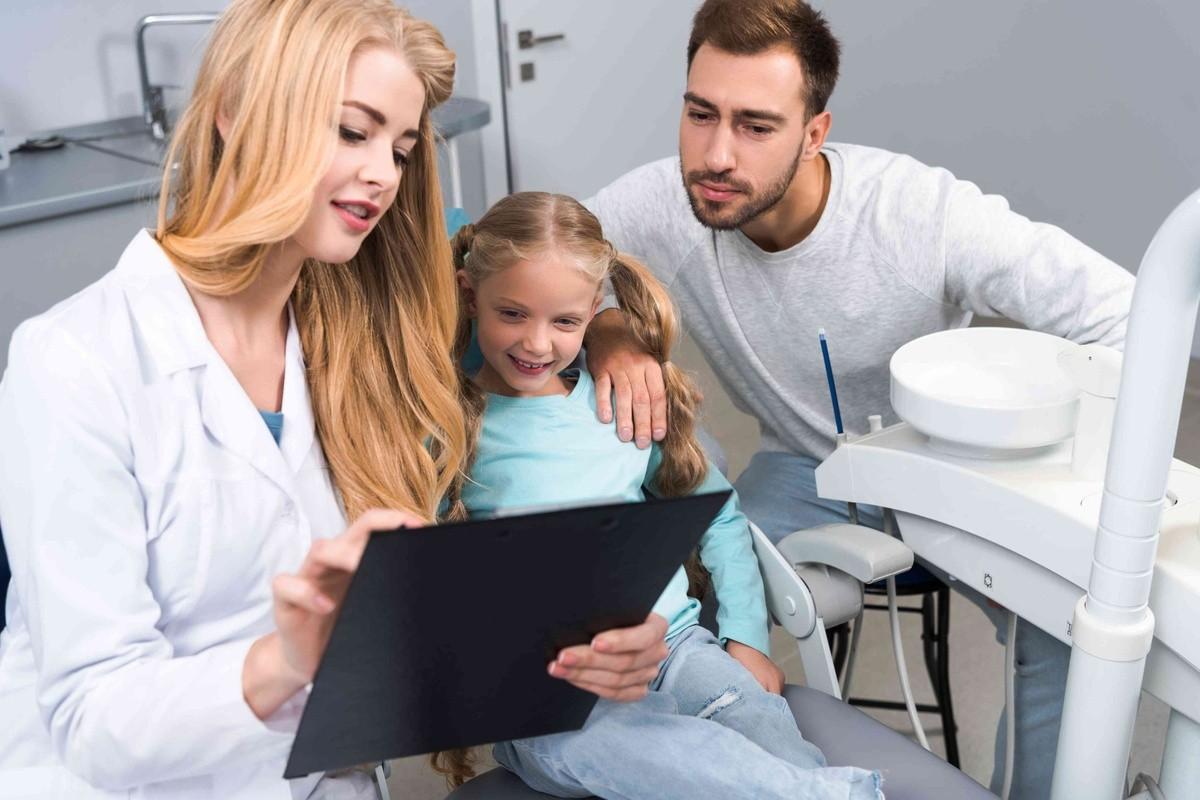
A Kids Dentist Shawnee, KS helps children with dental exams, cleanings, cavity prevention, tooth development checks, brushing guidance, parent education, comfort support, and urgent dental concerns. Parents in Shawnee may choose pediatric dental care because children’s teeth, habits, and comfort need to change as they grow. A kid’s dental visit may include checking baby teeth, permanent teeth, gums, bite development, oral hygiene, cavity risk, and any symptoms before explaining age-appropriate next steps.
Children’s dental questions often show up in everyday moments. A parent may notice a back tooth that looks darker; a child may complain that brushing hurts, or a loose tooth may seem to stay in place longer than expected. In Shawnee, KS, these moments can leave parents wondering whether the concern is normal growth or something that needs a dental visit.
Choosing a Kids Dentist Shawnee, KS means choosing dental care built around children’s development, comfort, and habits. Kids may need help learning how to brush, getting used to dental visits, and understanding why their teeth change over time. Parents also need clear guidance, especially when a child has tooth pain, cavity risk, anxiety, or a sudden injury. A useful pediatric visit should make the next step easier to understand for both the child and the parent.
Kids’ Dental Care Looks at More Than Teeth
A child’s dental visit is not only a quick look for cavities. The dentist may check how teeth are coming in, how the bite is developing, whether gums look healthy, and whether certain areas are hard for the child to clean.
Parents may be asked about brushing habits, flossing, snacks, drinks, thumb-sucking, pacifier use, mouth breathing, or past dental experiences. These details help explain why one child may be at a higher risk for cavities than another.
With Pediatric Dental Care Shawnee, KS, the goal is to match care to the child’s age and risk level. A toddler, a school-age child, and a teen may all need different advice.
Why Baby Teeth Still Need Attention
Baby teeth may be temporary, but they have important jobs. They help children chew, speak, smile, and hold space for adult teeth. If a baby tooth gets a cavity or becomes damaged, it can still cause pain or infection.
Parents sometimes wonder if a baby tooth should be treated if it will fall out later. The answer depends on the child’s age, the tooth involved, symptoms, cavity depth, and how long the tooth is likely to remain.
A kid’s dentist can explain when a baby tooth can be monitored and when care may be needed. Treating a baby tooth is often about protecting comfort, function, and developing smiles.
Prevention Changes as Children Grow
Preventive care should change the child’s mind. Young children may need help with brushing and learning to sit through a visit. Older children may need guidance around molars, flossing, sealants, and snacks. Teens may need support with sports, orthodontic appliances, wisdom tooth monitoring, or busy routines.
Cleanings help remove plaque and buildup. Exams help identify early decay, enamel concerns, gum irritation, and tooth eruption patterns.
Children’s Dental Care Shawnee should include practical advice parents can use at home. This may include helping a child brush longer, using the right amount of toothpaste, limiting frequent sugary drinks, or checking problem areas after brushing.
Comfort Matters During Pediatric Visits
Children may feel unsure in a dental office because the experience is new. The chair, lights, sounds, and instruments may feel unfamiliar. A child who is calm during one visit may feel nervous during another, especially if treatment is needed.
A kids-focused dental visit may use simple words, short instructions, and a pace that fits the child. Parents can help by keeping pre-visit explanations calm and simple.
In care conversations with Jenkins Dentistry for Kids- [Shawnee], parents may discuss a child’s comfort level, past dental experiences, and what support may help future visits go more smoothly. Some children may only need reassurance, while others may need additional planning.
When a Child May Need Treatment
Not every visit is preventive. A child may need treatment for a cavity, chipped tooth, enamel defect, or tooth damage. Treatment may also be needed if a tooth is causing pain or has become weakened.
A parent may hear about Tooth Restoration for Kids Shawnee, KS if decay or damage needs to be repaired so the tooth can keep working properly. The dentist may explain whether a filling, crown, repair, monitoring, or another option may fit the child’s tooth and symptoms.
Treatment recommendations should be based on the child’s mouth, not only on the appearance of the tooth. A small-looking spot can sometimes be deeper than expected.
What If Pain or Injury Happens Suddenly?
Children can hurt their teeth during sports, falls, play, or chewing. Toothaches can also appear without an obvious accident. Parents should know which signs need prompt attention.
An Emergency Dentist for Kids Shawnee, KS should check severe tooth pain, swelling, trauma, a knocked-out permanent tooth, broken teeth, uncontrolled bleeding, fever, pus, or signs of infection. If swelling affects breathing, swallowing, or overall safety, emergency medical care may be needed.
For a knocked-out permanent tooth, parents should seek dental care quickly. The tooth should be handled by the crown, not the root. Baby teeth should not be placed back into the socket without dental direction.
How Parents Can Support Dental Health at Home
Home care is where most dental habits are built. Children often need help brushing until they have the hand skills and attention to clean well on their own.
Parents can help by brushing along the gumline, checking back molars, helping with flossing, and keeping sugary snacks or drinks from becoming too frequent. Water between meals can also support oral health.
Dental visits can show parents where a child is missing plaque or where cavities are more likely to form. This turns prevention into a more specific plan rather than general advice.
What a First Kids Dental Visit May Include
A first or returning visit may begin with parent concerns and health history. The dental team may ask about brushing, diet, symptoms, dental anxiety, habits, and past treatment.
The dentist may examine teeth, gums, bites, oral tissues, and tooth development. X-rays may be recommended based on the child’s age, symptoms, or cavity risk. Cleaning may be completed when appropriate.
After the visit, parents should understand what was found. Some children need routine prevention only. Others may need monitoring, filling, tooth repair, urgent care, or comfort planning for future treatment.
Local Parent Review
“My child had questions about loose teeth, and I had concerns about brushing. The visit helped us understand what was normal and what areas needed more attention at home.”
A Dental Home That Helps Kids Grow with Confidence
Children’s dental care should help parents understand tooth development, prevention, treatment needs, and comfort at each stage. For families in Shawnee, KS, Jenkins Dentistry for Kids- [Shawnee] can evaluate children’s oral health and explain care in a way that supports growing smiles.
Frequently Asked Questions
What does a Kids Dentist Shawnee, KS do?
A kids dentist helps with exams, cleanings, cavity prevention, tooth development, dental habits, and treatment when needed. Care is shaped around the child’s age and comfort level.
How often should children see a dentist?
Many children benefit from dental visits about every six months. Some may need a different schedule based on cavity risk, enamel health, or treatment history.
Why are baby teeth important?
Baby teeth help with chewing, speech, comfort, and spacing for adult teeth. They may need to care if decay or damage could lead to pain or infection.
Can a kids dentist help my child feel less nervous?
Yes, pediatric dental visits often use age-appropriate explanations and a calm pace. Parents should share anxiety concerns before the appointment.
What signs mean my child needs urgent dental care?
Severe pain, swelling, trauma, broken teeth, uncontrolled bleeding, fever, or infection signs should be checked promptly.
Can children get cavities even with brushing?
Yes, missed areas, deep grooves, frequent snacks, sugary drinks, and enamel differences can increase cavity risk. A dental visit can identify specific risks.
What if my child chips a tooth?
A chipped tooth should be checked if it is painful, sharp, loose, bleeding, or caused by trauma. The dentist can decide whether repair or monitoring is needed.
Should parents stay involved in care planning?
Yes, parents should understand findings, options, and home care steps. Clear guidance helps families make informed decisions.