
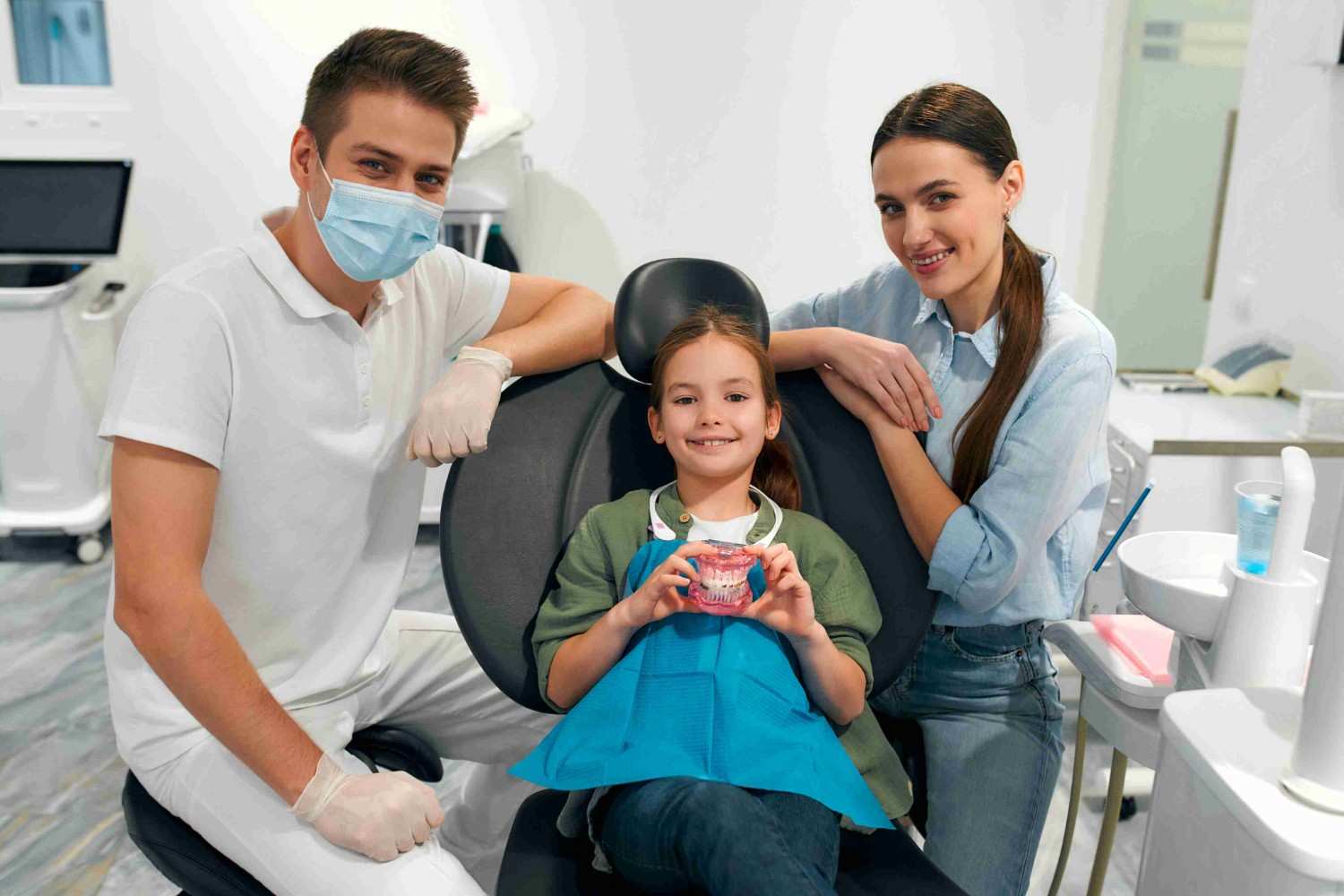
A Dentist for Kids Lenexa, KS can help children with exams, cleanings, cavity prevention, tooth development checks, brushing guidance, dental habits, tooth restoration needs, and urgent dental concerns. Parents in Lenexa may benefit from pediatric dental care that explains what is normal, what needs monitoring, and what may need treatment. Children’s dental visits often include age-appropriate exams, cleanings, prevention advice, comfort-focused communication, and guidance based on the child’s teeth, growth, and oral health.
Children’s dental care often begins with simple questions from parents. Is this tooth coming in correctly? Why does brushing feel difficult in one area? Is a small dark spot a stain or a cavity? In Lenexa, KS, parents may want dental visits that answer these questions in a way that feels calm and useful.
Choosing a Dentist for Kids Lenexa, KS means finding care that fits a child’s age, comfort level, habits, and stage of tooth development. A child’s dental visit is not just a smaller version of an adult’s appointment. Kids may need help learning how to brush, sitting through exams, understanding tooth changes, and building trust with dental care over time. A thoughtful visit helps parents understand what is happening now and what may need attention as the child grows.
Children’s Dentistry Starts with Growth and Habits
A child’s mouth changes quickly. Baby teeth erupt, chewing patterns develop, permanent teeth begin to appear, and daily habits shape cavity risk. Regular dental visits help track these changes instead of leaving parents to guess.
The dentist may check tooth eruption, spacing, bite development, gum health, enamel condition, and signs of early decay. Parents may also be asked about brushing routines, snacks, drinks, thumb-sucking, pacifier habits, or mouth breathing.
A Dentist for Kids Lenexa, KS should explain findings in a parent-friendly way. If something needs monitoring, parents should know why. If treatment is recommended, they should understand the reason and timing.
Why Baby Teeth Deserve Care
Baby teeth are temporary, but they still matter. They help children chew, speak clearly, smile comfortably, and hold space for adult teeth. A cavity in a baby tooth can still cause discomfort or infection if it grows deeper.
Parents may wonder whether a damaged baby tooth should be treated if it will eventually fall out. The answer depends on the child’s age, the tooth involved, symptoms, cavity depth, and how long the tooth is expected to stay in place.
This is where pediatric dental evaluation matters. Some baby teeth can be monitored. Others may need a filling, crown, or other care to protect the child’s comfort and oral health.
Prevention Is a Big Part of Kids’ Dental Care
Children are still learning the habits that protect their teeth. Even when they brush every day, they may miss back teeth, gumlines, or tight spaces.
Cleanings help remove plaque and buildup. Exams help catch cavities, enamel changes, and gum irritation early. Parents may also receive guidance on brushing angles, flossing, fluoride, sealants, snacks, and drinks.
A Children’s Dentist with Lenexa, KS may tailor prevention advice to the child’s age. A toddler learning to brush, a school-age child with new molars, and a teen with a busy schedule may all need different guidance.
When Restorative Care May Be Needed
Some children need more than preventive care. Cavities, chips, enamel defects, or tooth damage may require treatment to restore structure and protect comfort.
A parent may hear the phrase “Tooth Restoration for Kids Lenexa, KS” when a child has decay or damage that cannot be handled with cleaning alone. Restorative care may involve a filling, crown, or another option depending on the tooth, severity, and symptoms.
The goal is not only to repair appearance. It is to help the child chew, keep the tooth stable when possible, and reduce the chance of pain or infection. The dentist may explain why treatment is recommended and what parents can expect.
Helping Children Feel More Comfortable with Visits
Dental visits can feel unfamiliar to young children. New sounds, bright lights, and having someone look in the mouth may take time to get used to it.
A pediatric dental visit may use simple explanations, short instructions, and age-appropriate pacing. Parents can also help by using calm language before the appointment and avoiding words that may increase worry.
During care with Jenkins Dentistry for Kids- [Lenexa], children may be guided through dental visits in a way that considers age, treatment needs, and comfort level. Some children adjust quickly, while others need more time and support.
When Urgent Dental Care Is Needed
Kids can have dental emergencies from falls, sports, chewing accidents, toothaches, or swelling. Some situations should be checked promptly.
A Kids Emergency Dentist Lenexa, KS may be needed for severe tooth pain, swelling, dental trauma, a knocked-out permanent tooth, broken teeth, uncontrolled bleeding, fever, or signs of infection. Parents should seek urgent dental care if symptoms are strong, spreading, or related to injury.
If a permanent tooth is knocked out, hold it by the crown, avoid touching the root, and seek dental care quickly. If swelling affects breathing, swallowing, or overall safety, emergency medical care may be needed.
How Pediatric Dental Visits Support Parents Too
A child’s dental visit should help parents feel more informed. Parents may want to know if brushing is working, whether a tooth looks normal, if a cavity is forming, or when a treatment is truly needed.
Good pediatric dental care gives parents practical guidance. This may include what to watch at home, which habits matter most, and how often visits should be scheduled.
The best care plans are not based on age alone. A child with deep grooves, frequent snacking, enamel concerns, or past cavities may need different prevention than a child with lower cavity risk.
What a Kids’ Dental Visit May Include
A child’s appointment may involve a review of health history, home care habits, diet patterns, and parent concerns. The dental team may ask about tooth pain, brushing struggles, loose teeth, dental anxiety, or past treatment.
The dentist may examine teeth, gums, bites, oral tissues, and tooth development. X-rays may be recommended depending on age, symptoms, and cavity risk. Cleaning may be completed if appropriate.
After the visit, parents should receive clear explanations. The dentist may recommend prevention, monitoring, tooth restoration, repair, emergency follow-up, or another type of care based on the child’s needs.
Local Parent Review
“My child was nervous about the visit, and I had questions about my back tooth. The appointment helped us understand what was normal, what needed watching, and what habits mattered at home.”
Helping Children Build Better Dental Habits
Kids’ dental care should support healthy habits, early prevention, and clear guidance for parents as children grow. For families in Lenexa, KS, Jenkins Dentistry for Kids- [Lenexa] can help evaluate children’s teeth, explain concerns, and guide care based on each child’s needs.
Frequently Asked Questions
What does a Dentist for Kids Lenexa, KS do?
A kids’ dentist helps with exams, cleanings, cavity prevention, tooth development, dental habits, and treatment when needed. Care is shaped around the child’s age and oral health.
When should children start dental visits?
Children should begin dental care early so tooth development, brushing habits, and cavity risk can be monitored. Your dentist can guide timing based on your child’s needs.
Why treat baby teeth if they fall out?
Baby teeth help children chew, speak, and hold space for adult teeth. If decay or damage is present, treatment may help prevent pain or infection.
How often should kids have dental checkups?
Many children benefit from visits about every six months. Some may need a different schedule based on cavity risk, enamel health, or treatment history.
Can a children’s dentist help with dental anxiety?
Yes, pediatric dental care often uses age-appropriate explanations and a calm approach. Parents should share any anxiety concerns before the visit.
When should I call a kids emergency dentist?
Call for severe pain, swelling, dental trauma, a knocked-out permanent tooth, broken teeth, uncontrolled bleeding, fever, or infection signs.
What if my child has a cavity?
The dentist will evaluate the tooth, cavity depth, symptoms, and age of the child. Treatment may include monitoring, filling, crown, or another recommendation.
Can parents stay involved during care planning?
Yes, parents should understand findings, options, and home care guidance. A clear explanation helps families make informed choices.