
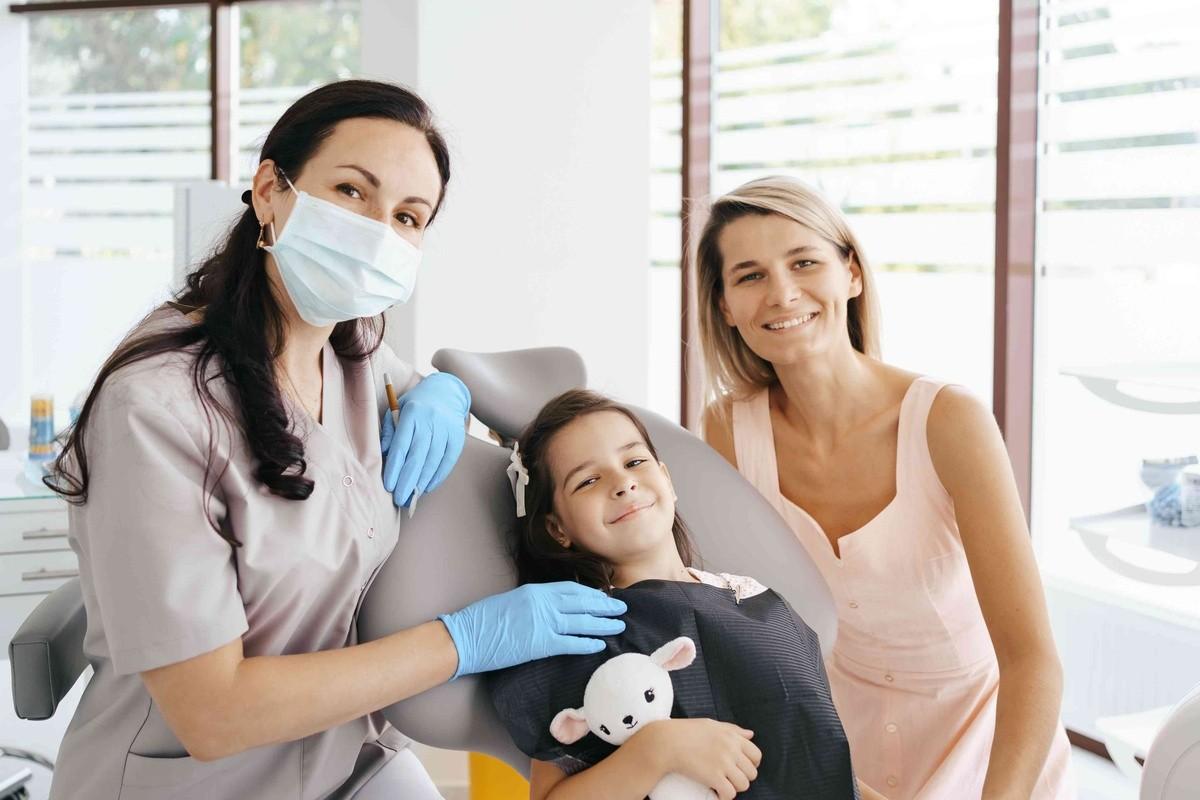
Dental Repair for Kids Lenexa, KS may help when a child has a chipped tooth, cracked tooth, broken tooth, cavity damage, worn enamel, or injury affecting chewing, comfort, or appearance. Parents in Lenexa should have damaged teeth evaluated because baby teeth and permanent teeth require different decisions. A children dentist may check symptoms, tooth type, root development, bite, damage level, and infection risk before recommending repair, restoration, monitoring, or urgent care.
Tooth damage in children can happen in everyday ways. A child may fall at the playground, bite into something hard, bump a tooth during sports, or complain that one tooth feels sharp. Sometimes parents see the broken edge right away. Other times, the first clue is sensitivity, chewing on one side, or avoiding brushing near the tooth.
In Lenexa, KS, Dental Repair for Kids in Lenexa, KS is often discussed after a visible chip, crack, broken filling, or injury. The right repair depends on whether the tooth is a baby tooth or permanent tooth, how much structure is affected, and whether the child has pain or swelling. Even a small chip should be checked if the tooth hurts, feels rough, changes color, or was injured during trauma.
Why Damaged Children’s Teeth Need Careful Evaluation
A chipped or broken tooth may look simply, but the dentist needs to know how deep the damage goes. Some chips only affect enamel. Others may expose deeper tooth layers or involve the nerve.
A child may not always describe pain clearly. They may say the tooth feels “funny,” avoid cold drinks, chew on the opposite side, or become upset during brushing. These signs can help parents know when the tooth needs attention.
A Children’s Dentist Lenexa, KS may examine the teeth, gums, bites, surrounding teeth, and soft tissues. X-rays may be recommended if the dentist needs to check roots, bone, tooth development, or injury below the surface.
Baby Teeth and Permanent Teeth Are Treated Differently
Repair decisions depend strongly on the type of tooth. Baby teeth are temporary, but they still help children chew, speak, and hold space for adult teeth. Permanent teeth need long-term protection because they are meant to last into adulthood.
A small chip on a baby tooth may be smoothed or monitored if there is no pain and the tooth is stable. A deeper break may need repair or other treatment. A permanent tooth injury may need closer follow-up because damage can affect the nerve, root, or future tooth health.
The dentist may also consider the child’s age and how soon the baby’s tooth is expected to fall out. A repair plan should fit the tooth’s role and the child’s stage of growth.
Chips, Cracks, and Sharp Edges
Children often chip front teeth during falls or play. Back teeth may crack from biting hard foods or from weakened enamel. A sharp edge can irritate the tongue, cheek, or lip.
A minor chip may only need smoothing or bonding. A larger break may require more protective care. If the tooth is sensitive, darkening, loose, or painful when biting, the dentist may need to check for deeper injury.
Parents should avoid assuming that a tooth is fine because the child stops complaining. Pain from dental trauma can come and go and tooth color may change later.
When Repair Becomes Restoration
Dental repair and restoration often overlap. Repair may describe fixing a chipped, cracked, or broken area. Restoration may describe rebuilding the tooth structure after decay or damage.
Tooth Restoration for Kids Lenexa, KS may be recommended when the damaged area affects tooth strength, comfort, or chewing. A filling, crown, or another pediatric restoration may be discussed depending on how much tooth is affected.
A small repair may protect one area. A larger restoration may protect more of the tooth. The dentist should explain why one option is recommended over another.
Tooth Damage from Cavities
Not all damaged teeth come from accidents. Cavities can weaken the tooth structure until part of the tooth breaks or feels rough. A child may notice food getting stuck, soreness when chewing, or sensitivity to sweets.
A cavity-related repair usually needs more than smoothing. The dentist may need to remove decay and restore the tooth so it can function more comfortably.
During a repair-focused visit with Jenkins Dentistry for Kids- [Lenexa], parents may learn whether the tooth damage is from injury, decay, enamel weakness, or bite pressure. Knowing the cause helps guide treatment and prevention.
When a Tooth Injury Becomes Urgent
Some tooth injuries should be checked quickly. Parents should seek urgent dental care if a child has severe pain, swelling, bleeding that does not stop, a loose permanent tooth, a knocked-out permanent tooth, fever, pus, or signs of infection.
A Kids Emergency Dentist Lenexa, KS may also be needed if a tooth breaks deeply; the child cannot bite normally, or trauma affects the lips, gums, jaw, or face. A knocked-out permanent tooth needs fast attention. Hold it by the crown, avoid touching the root, and seek care right away.
If swelling affects breathing, swallowing, or overall safety, emergency medical care may be needed.
Helping Children After a Tooth Repair
After repairing, parents may need to watch how the child eats and brushes. If the mouth is numb, children can accidentally bite the cheek, lip, or tongue. Soft foods may be recommended for a short time depending on the procedure.
The repaired tooth should still be cleaned gently as directed. Parents should report worsening pain, swelling, fever, trouble chewing, or a restoration that feels loose or sharp.
Follow-up matters because some injured teeth need monitoring over time. A tooth may look stable at first but change color or develop symptoms later.
How Repair Supports Comfort and Confidence
Dental repair can help children chew, speak, and smile more comfortably. It can also protect teeth from further damage when a broken or decayed area is exposed.
Repair may help with:
- Sharp or rough edges
- Visible chips
- Cavity-weakened teeth
- Broken baby teeth
- Injured permanent teeth
- Sensitivity after damage
- Chewing discomfort
- Protection from worsening decay
- The goal is to match care to the child’s teeth, symptoms, and age rather than treating every chip the same way.
What to Expect During a Dental Repair Visit
The visit may begin with a parent explaining what happened and when the concern was noticed. The dentist may ask whether the child had pain, bleeding, swelling, sensitivity, or trouble eating.
The exam may include damaged teeth, nearby teeth, gums, lips, bites, and jaw movement. X-rays may be suggested if the damage is deeper or related to trauma.
Treatment may involve smoothing, bonding, filling, a crown, monitoring, or another recommendation. If the child is anxious or the repair is more involved, comfort planning may also be discussed before treatment.
Local Parent Review
“My child chipped a tooth during play, and I was not sure if it was serious. The visit helped explain what part of the tooth was damaged and what needed to be done.”
Repairing Children’s Teeth with the Right Level of Care
A damaged tooth should be checked, so parents know whether it needs smoothing, repair, restoration, monitoring, or urgent care. For families in Lenexa, KS, Jenkins Dentistry for Kids- [Lenexa] can evaluate children’s tooth damage and explain care based on the tooth, symptoms, and age.
Frequently Asked Questions
When is Dental Repair for Kids Lenexa, KS needed?
Dental repair may be needed for chipped, cracked, broken, decayed, or injured teeth. The dentist checks the tooth type, damage level, symptoms, and age.
Is a chipped baby tooth a serious problem?
It depends on the chip. A small chip may be smoothed or monitored, while a deeper break may need repair or treatment to protect comfort and health.
What if my child breaks a permanent tooth?
A broken permanent tooth should be checked promptly, especially if there is pain, sensitivity, bleeding, or a large missing piece. Bring any broken fragments if possible.
Can cavities cause a tooth to break?
Yes, decay can weaken tooth structure and make a tooth more likely to chip or break. The dentist may need to remove decay and restore the tooth.
Should I call a kids emergency dentist after dental trauma?
Call promptly for severe pain, swelling, bleeding, loose permanent tooth, a knocked-out permanent tooth, or signs of infection. Trauma should be evaluated carefully.
Will my child need a crown after tooth damage?
A crown may be discussed if a tooth has lost more structure or needs stronger protection. The dentist will explain why it may or may not be needed.
Can a repaired tooth still have problems later?
Sometimes injured teeth need follow-up because symptoms or color changes can develop later. Keep regular visits and call if new concerns appear.
How can parents help prevent tooth injuries?
Mouthguards may help during sports, and children should avoid chewing hard objects. Regular visits can also identify weakened teeth or cavity risks.