
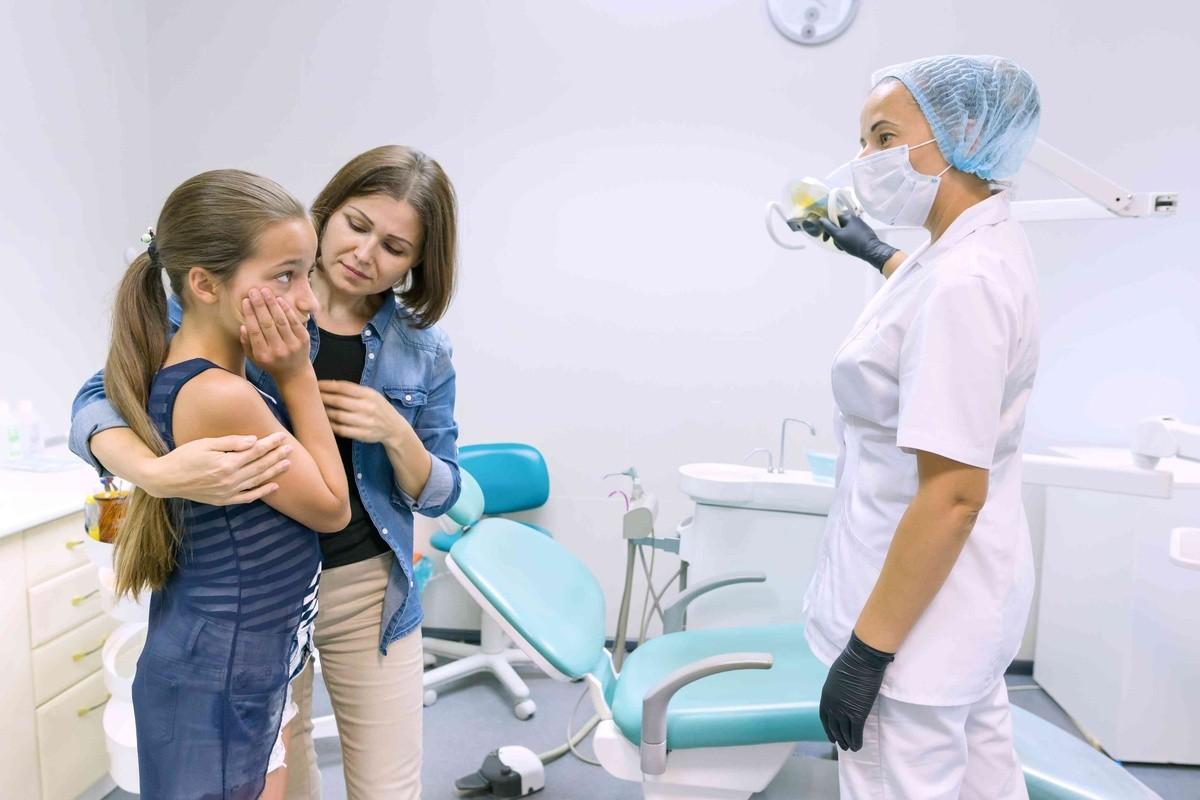
An Emergency Dentist for Kids Shawnee, KS should evaluate severe tooth pain, swelling, dental trauma, broken teeth, knocked-out permanent teeth, uncontrolled bleeding, fever, pus, or signs of infection. Parents in Shawnee should seek urgent dental care when a child’s symptoms are strong, spreading, or related to injury. Emergency pediatric visits focus on identifying the cause, protecting comfort, and explaining care options based on the child’s age, tooth type, symptoms, and damage level.
A child’s dental emergency can begin with one small moment. A fall on the driveway, a hit during sports, a sudden toothache at bedtime, or swelling near the gum can quickly change the day. Parents in Shawnee, KS may need to decide whether to call a dentist right away or watch the concern for a short time.
An Emergency Dentist for Kids Shawnee, KS may be needed when pain is severe; swelling appears, trauma affects a tooth, or signs of infection are present. Children may not always explain symptoms clearly, so parents may notice changes in eating, sleeping, brushing, or behavior first. A prompt dental evaluation can help identify whether the problem involves decay, infection, tooth injury, gum tissue, broken dental work, or another concern.
Red Flags Parents Should Treat Seriously
Some symptoms should not be ignored. Severe tooth pain, swelling in the gums or face, a broken tooth, a knocked-out permanent tooth, uncontrolled bleeding, pus, fever, or trouble opening the mouth should be checked promptly.
A child may show pain by refusing food, holding the cheek, crying while brushing, waking at night, or chewing only on one side. These signs can matter even if the child cannot describe the problem well.
Urgent Dental Care for Kids Shawnee, KS may help when symptoms are worsening, spreading, or linked to an accident. If swelling affects breathing, swallowing, or the child’s general safety, emergency medical care may be needed.
Tooth Pain Can Come from Different Sources
Tooth pain in children is not always caused by the same problem. Cavities, cracked teeth, loose filling, gum infection, food trapped between teeth, or injury can all cause discomfort.
A baby tooth with deep decay can hurt and may become infected. A permanent tooth with pain needs careful evaluation because damage may affect long-term tooth health.
A Kids Dentist Shawnee, KS may examine the painful tooth, nearby teeth, gums, bite, jaw, and soft tissues. X-rays may be suggested if the dentist needs to check decay depth, roots, infection, or injury below the gumline.
What to Do if a Tooth Is Knocked Out
A knocked-out permanent tooth is a time-sensitive emergency. Parents should hold their teeth with the crown, avoid touching the root, and seek dental care quickly.
If the child is old enough and can do so safely, the tooth may need to be kept moist as directed by emergency guidance. Parents should avoid scrubbing the root or letting the teeth dry out.
A knocked-out baby tooth is handled differently. Parents should not place a baby tooth back into the socket without dental direction because it may affect the developing permanent tooth underneath.
Chipped, Broken, or Loose Teeth
A chipped tooth may look minor, but it should be checked if the child has pain, sensitivity, bleeding, looseness, sharp edges, or the injury involved in a fall or blow to the face.
A broken tooth may expose deeper layers and become sensitive to air, cold, or chewing. A loose permanent tooth after trauma should be evaluated promptly.
Dental Repair for Kids Shawnee, KS may be needed after chips, cracks, breaks, or damaged restorations. Repair depends on whether the tooth is baby or permanent, how deep the injury goes, and whether the nerve or root may be involved.
Swelling and Infection Signs Need Quick Attention
Swelling near a child’s tooth, gum, cheek, or jaw may suggest infection or inflammation. It should be checked quickly, especially if the child has a fever, bad taste, pus, facial pressure, or trouble opening the mouth.
Dental infections can spread to nearby tissues. Parents should not assume swelling will go away on their own.
During emergency evaluation at Jenkins Dentistry for Kids- [Shawnee], the dental team may ask when symptoms started, whether swelling is changing, and whether the child has had recent dental pain or injury. This helps guide the exam and the next steps.
Steps Parents Can Take Before the Visit
Parents can help protect the mouth while arranging care. Rinse gently with water if the child can do so safely. Use a cold compress on the outside of the face if swelling follows an injury.
Save broken tooth pieces or loose dental work if possible. Avoid having the child chew on the painful side. Do not place aspirin directly on teeth or gums because it can irritate tissue.
These steps are temporary. They do not replace a dental exam, especially when pain, swelling, bleeding, or trauma is involved.
Why Baby and Permanent Teeth Need Different Decisions
Emergency treatment depends partly on whether the affected tooth is baby or permanent. Baby teeth are temporary, but they still affect comfort, chewing, speech, and spacing.
Permanent teeth need long-term protection. An injury to a permanent tooth may require repair, monitoring, or follow-up visits to check out healing.
The dentist may consider the child’s age, tooth development, root formation, symptoms, and injury type. This is why the same-looking chip may lead to different recommendations for two different children.
What Emergency Care May Include
Emergency of pediatric dental care focuses on finding the cause first. After the exam, the dentist may explain whether the child needs repair, restoration, monitoring, medication guidance, extraction, or follow-up care.
Care may address:
- Severe toothaches
- Swollen gums or face
- Broken or chipped teeth
- Knocked-out permanent teeth
- Loose teeth after injury
- Bleeding after trauma
- Dental infections
- Pain while chewing
- Damaged fillings or crowns
- Soft tissue injuries
- The recommendation depends on diagnosis, tooth type, age, and symptoms.
What to Expect During the Emergency Appointment
The visit may begin with a parent explaining what happened and when symptoms started. The dentist may ask whether the child has pain, swelling, fever, bleeding, or trouble eating.
The exam may include teeth, gums, lips, cheeks, bites, jaw movement, and nearby teeth. X-rays may be recommended when deeper damage, decay, or infection is suspected.
Before leaving, parents should understand what was found and what care is needed next. Some children may need same-day care, while others may need stabilization and follow-up monitoring.
Local Parent Review
“My child had a tooth injury after playing outside, and I was unsure how serious it was. The visit helped explain the damage and what signs we needed to watch afterward.”
Clear Answers When a Child’s Tooth Hurts
A child’s dental emergency should be checked so parents know what caused the problem and what care may be needed next. For families in Shawnee, KS, Jenkins Dentistry for Kids- [Shawnee] can evaluate tooth pain, swelling, injuries, and broken teeth with guidance based on the child’s age and tooth type.
Frequently Asked Questions
When should I call an Emergency Dentist for Kids Shawnee, KS?
Call for severe tooth pain, swelling, trauma, broken teeth, knocked-out permanent teeth, uncontrolled bleeding, fever, pus, or infection signs.
What should I do if my child knocks out a permanent tooth?
Hold the tooth with the crown, avoid touching the root, and seek dental care quickly. Time can matter with knocked-out permanent teeth.
Should I put a knocked-out baby tooth back in place?
No, do not place a baby tooth back without dental direction. Contact a pediatric dental office for guidance.
Is swelling from a tooth serious for children?
Yes, swelling may be linked to infection and should be checked quickly. If breathing or swallowing is affected, seek emergency medical care.
Can a chipped tooth wait?
A small chip may sometimes wait, but pain, sharp edges, looseness, bleeding, or trauma should be evaluated promptly.
Will my child need repairs after a dental emergency?
Possibly. Repair depends on the tooth type, damage level, symptoms, and whether deeper tooth layers are involved.
Can a cavity cause emergency pain?
Yes, a deep cavity can cause severe pain, swelling, or infection. A dentist can evaluate the tooth and explain treatment options.
What should I watch after a tooth injury?
Watch for swelling, worsening pain, tooth darkening, looseness, fever, gum bumps, or trouble chewing. A follow-up may be needed.