
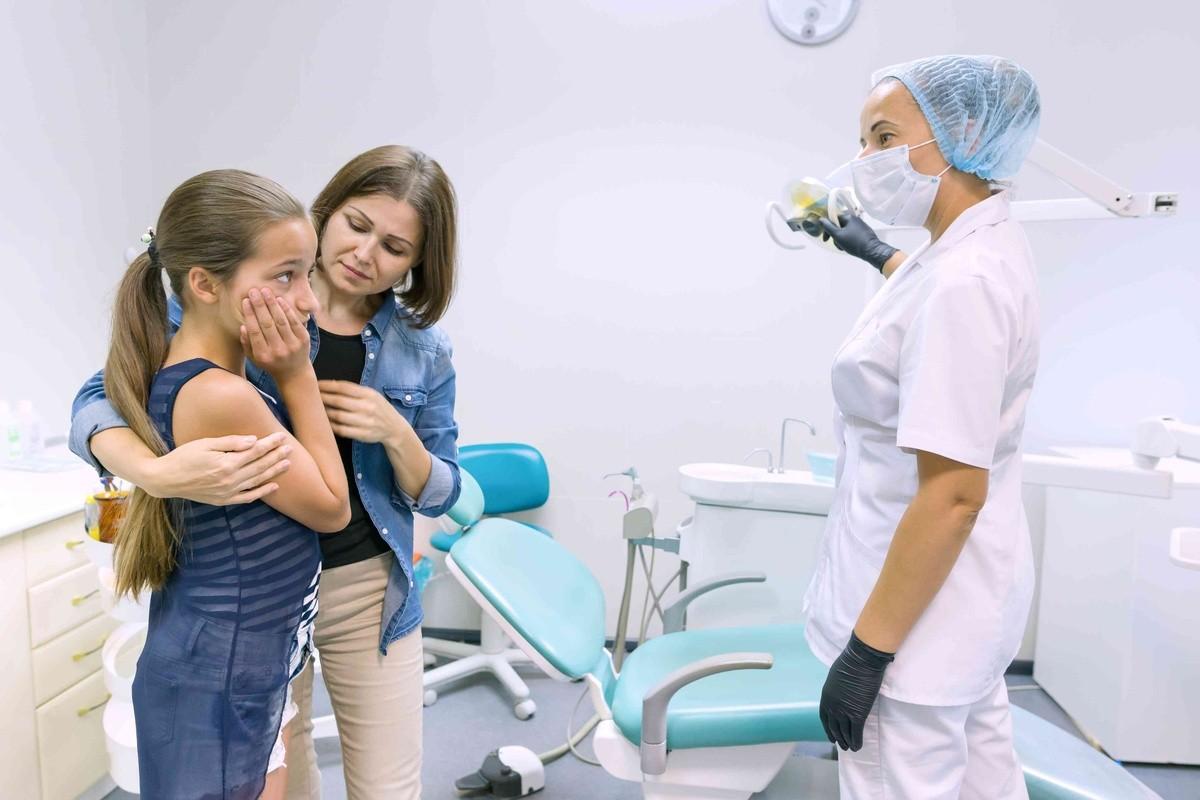
A Kids Emergency Dentist Lenexa, KS should evaluate children with severe tooth pain, swelling, dental trauma, broken teeth, knocked-out permanent teeth, uncontrolled bleeding, fever, pus, or signs of infection. Parents in Lenexa should seek urgent dental care when symptoms are strong, spreading, or linked to injury. Emergency dental visits focus on finding the cause first, then explaining care options based on the child’s age, tooth type, symptoms, damage level, and oral health.
Children can go from playing normally to needing dental help very quickly. A fall may chip the front tooth. A toothache may make dinner difficult. Swelling may appear near the gum, or a child may wake up crying from dental pain. For parents in Lenexa, KS, the hard part is knowing what can wait and what should be checked quickly.
A Kids Emergency Dentist Lenexa, KS may be needed when pain is severe; swelling is present, trauma has occurred, or infection signs appear. Some dental concerns can be scheduled during a regular visit, but urgent symptoms need a different level of attention. The goal of an emergency visit is to identify what is causing the problem, protect the child’s comfort and health, and explain the next step clearly.
Dental Symptoms Parents Should Not Ignore
Some symptoms should be taken seriously right away. Severe tooth pain, facial swelling, gum swelling, a knocked-out permanent tooth, uncontrolled bleeding, fever, pus, a broken tooth, or trouble opening the mouth should be evaluated promptly.
Children may not describe pain the same way adults do. They may refuse food, cry while brushing, hold their cheek, avoid biting on one side, or become unusually tired.
A Kids Emergency Dentist Lenexa, KS may check the painful tooth, gums, nearby teeth, bite, jaw, and soft tissues. X-rays may be recommended when the cause cannot be seen during the exam.
Tooth Pain Can Have Several Causes
A child’s toothache may come from decay, a cracked tooth, a loose filling, gum inflammation, injury, food trapped between teeth, or an infection. Pain may be sharp, dull, throbbing, or only present when chewing.
A baby tooth can still cause serious discomfort if decay reaches deeper layers. A permanent tooth with pain needs careful evaluation because it may affect long-term oral health.
A Dentist for Kids in Lenexa, KS can help determine whether the concern needs emergency care, restorative treatment, monitoring, or another approach. Matching care for the cause helps avoid guessing.
Swelling, Fever, and Infection Signs
Swelling near a tooth, gum, cheek, jaw, or face can suggest infection or inflammation. It should be checked promptly, especially if it spreads, feels warm, causes pressure, or happens with a fever or a bad taste.
Dental infections may affect nearby tissues and can become more serious without care. If swelling affects breathing, swallowing, or overall safety, emergency medical care may be needed.
Parents should not wait to “settle down” without guidance. A dental evaluation can show whether the problem comes from a tooth, gums, injury, or another concern.
Broken, Chipped, or Knocked-Out Teeth
Children can injure teeth during play, sports, falls, or accidents. A chip may look small, but the tooth may still need to check if it hurts, feels sharp, becomes loose, or changes color later.
A knocked-out permanent tooth is urgent. Hold the tooth with the crown, do not touch the root, and seek dental care quickly. If the child is old enough and can do so safely, the tooth may be kept moist as directed by emergency guidance. A knocked-out baby tooth should not be placed back into the socket without dental direction.
Dental Repair for Kids Lenexa, KS may be needed after a chip, break, or trauma. The repair depends on tooth type, injury depth, pain, and whether the nerve or root is involved.
What Parents Can Do Before the Visit
Parents can take calm, protective steps while preparing for care. Rinse the child’s mouth gently with water if there is debris. Use a cold compress on the outside of the face if swelling follows an injury.
Save broken tooth pieces if they can be found. Avoid having the child chew on the painful side. Do not place aspirin directly on the tooth or gums because it can irritate tissue.
These steps do not replace treatment. They only help protect the mouth until the dentist can evaluate the concern.
When Emergency Care Leads to Restoration
An urgent visit may reveal that a tooth needs more than temporary help. A cavity may have weakened the tooth. A fracture may require repair. A baby tooth may need protection to stay in place until it is ready to fall out.
Tooth Restoration for Kids Lenexa, KS may be discussed after an emergency exam if the tooth can be restored and treatment is appropriate. Options may include a filling, crown, repair, or other care depending on the child’s needs.
During urgent care at Jenkins Dentistry for Kids- [Lenexa], parents may receive an explanation of what was found, what needs attention first, and whether follow-up care is needed after the emergency concern is addressed.
Dental Trauma May Need Follow-Up
Some dental injuries need more than one visit. A tooth may look stable at first but develop sensitivity, color change, looseness, or root concerns later.
The dentist may recommend following up to monitor healing, especially after injuries to permanent teeth. Parents should watch for swelling, worsening pain, gum bumps, darkening, or changes in how the child bites.
Follow-up is part of protecting the child’s long-term oral health. It helps the dentist see whether the tooth is healing or whether additional care is needed.
What Emergency Pediatric Care May Address
Emergency of dental care for children may involve several types of concerns.
It may address:
- Severe toothaches
- Swollen gums or face
- Broken or chipped teeth
- Knocked-out permanent teeth
- Loose teeth after injury
- Bleeding after trauma
- Dental infections
- Damaged fillings or restorations
- Pain when chewing
- Soft tissue injuries
- Each case is different because a baby tooth, permanent tooth, and developing tooth may require different decisions.
What to Expect During an Emergency Visit
The visit may begin with questions about symptoms or injury. The dentist may ask when pain starts, whether swelling is present, what happened during trauma, and whether the child can eat or sleep.
The exam may include the tooth, gums, lips, cheeks, bites, jaw movement, and nearby teeth. X-rays may be recommended to check for decay, infection, fracture, or damage below the gumline.
Care may involve smoothing a sharp edge, repairing a tooth, draining infection when appropriate, medication guidance, restoration planning, extraction, or follow-up monitoring. The recommendation depends on the diagnosis.
Local Parent Review
“My child hurt his tooth after a fall, and I was worried because it looked small but painful. The emergency visit helped explain what damaged and what signs was to watch afterward.”
Fast Attention for Children’s Dental Pain and Injury
Urgent dental symptoms should be checked so parents know what is causing the problem and what care may be needed. For families in Lenexa, KS, Jenkins Dentistry for Kids- [Lenexa] can evaluate children’s tooth pain, swelling, injuries, and broken teeth with guidance based on age and tooth type.
Frequently Asked Questions
When should I call a Kids Emergency Dentist Lenexa, KS?
Call for severe tooth pain, swelling, dental trauma, broken teeth, knocked-out permanent teeth, uncontrolled bleeding, fever, pus, or infection signs.
What should I do if my child knocks out a permanent tooth?
Hold the tooth with the crown, avoid touching the root, and seek dental care quickly. Time can matter for knocked-out permanent teeth.
Should I put a baby tooth back if it is knocked out?
Do not place a knocked-out baby tooth back without dental direction. Contact a pediatric dental office for guidance.
Is facial swelling from a tooth serious?
Yes, swelling may be linked to infection and should be checked quickly. If breathing or swallowing is affected, seek emergency medical care.
Can a chipped tooth wait for a regular visit?
A small chip may sometimes wait, but pain, sharp edges, looseness, bleeding, or colour change should be checked promptly.
Will my child need dental repair after an emergency?
Possibly. Repair depends on the tooth type, damage level, symptoms, and whether the nerve or root is involved.
Can cavities cause emergency tooth pain in kids?
Yes, deep cavities can cause pain, swelling, or infection. A dentist can evaluate the tooth and explain treatment options.
What should I watch after a dental injury?
Watch for swelling, worsening pain, gum bumps, tooth darkening, looseness, fever, or trouble chewing. A follow-up may be needed.