
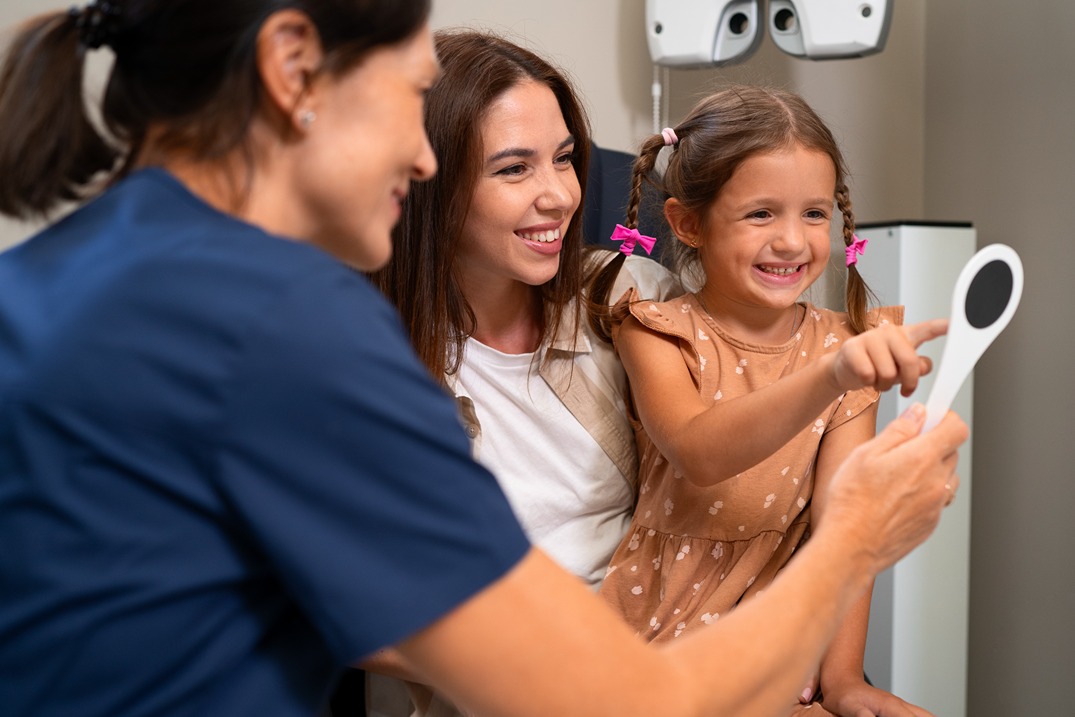
A child’s comfort during dental visits can shape how they approach oral healthcare for years to come. Positive early experiences frequently help children feel more relaxed during preventive appointments, while stressful visits may contribute to anxiety and avoidance later in life. As a result, pediatric dental environments are designed differently from traditional adult-focused offices.
Young patients usually need more reassurance, gentle communication, and a slower pace when learning about dental care. The atmosphere, interactions, and overall experience all influence how comfortable children feel during appointments. Pediatric dentistry, therefore, focuses not only on oral health treatment but also on emotional comfort and trust-building.
Families looking for a Pediatric Dental Office in Lenexa, KS, are often hoping to find care that combines prevention, patience, education, and supportive communication for growing children. Modern pediatric dentistry increasingly emphasizes positive experiences that encourage healthier lifelong habits rather than focusing solely on treatment.
A welcoming environment may significantly improve children’s responses to dental care over time.
Early Familiarity Often Reduces Dental Anxiety
Many children become nervous simply because dental visits feel unfamiliar. New environments, instruments, sounds, or uncertainty about procedures may create fear before treatment even begins.
Routine preventive appointments help children gradually become more familiar with cleanings, examinations, and oral hygiene discussions in a calm setting. Repeated positive experiences often help reduce anxiety while improving cooperation during future visits.
Parents choosing a Pediatric Dental Office Lenexa, KS frequently value practices that focus on helping children feel emotionally comfortable rather than rushing appointments unnecessarily.
Gentle communication and predictable routines often make preventive care feel less intimidating for younger patients.
Pediatric Dental Needs Continue Changing as Children Grow
Children experience ongoing changes in tooth eruption, jaw growth, spacing, oral hygiene habits, and cavity risk across developmental stages. Preventive monitoring helps clinicians identify concerns early and adapt recommendations to the child’s age and oral condition.
Baby teeth continue to play important roles in speech, chewing, spacing, and healthy oral development, even though they eventually fall out naturally. Routine evaluations help support healthier transitions into permanent dentition later.
Pediatric visits may also include guidance on brushing techniques, fluoride use, nutrition habits, and preventive care routines that support stronger oral health outcomes over the long term.
Preventive attention during childhood often helps reduce the need for avoidable restorative treatment later.
Communication Style Matters for Young Patients
Children process information differently from adults. Technical explanations or rushed treatment discussions may increase anxiety if communication does not feel age-appropriate or reassuring.
Pediatric-focused environments often use encouraging language, simple explanations, and positive reinforcement to help children understand what is happening during appointments. Helping children feel involved may also improve cooperation and comfort significantly.
Inside Jenkins Dentistry for Kids, pediatric visits may include supportive conversations designed to help children feel safe, informed, and more relaxed throughout preventive and restorative care experiences.
Positive interactions often contribute just as much to comfort as the treatment itself.
Preventive Care Helps Support Long-Term Oral Health
Preventive dentistry remains one of the most important parts of pediatric oral healthcare. Professional cleanings, fluoride treatments, sealants, and routine dental examinations all help reduce the likelihood of larger dental concerns developing over time.
Children’s teeth are especially vulnerable to cavities because enamel is thinner, and brushing habits are still developing. Consistent preventive visits allow clinicians to monitor oral health while helping families maintain stronger daily routines at home.
Parents researching a Pediatric Dental Office in Lenexa, KS often appreciate guidance that feels practical, realistic, and supportive for busy family schedules.
Strong preventive consistency usually creates healthier long-term dental outcomes.
Positive Dental Experiences Can Influence Adulthood
Children who feel comfortable during dental visits are often more likely to maintain preventive care routines as teenagers and adults. Confidence built during early appointments may help reduce long-term dental anxiety later in life.
Supportive pediatric experiences, therefore, influence emotional wellness alongside oral health. Familiar environments, calm communication, and encouraging reinforcement may all help children feel more secure over time.
Families frequently notice improved cooperation when children begin to associate dental visits with positive, predictable experiences rather than fear or uncertainty.
Creating trust early often supports healthier oral habits throughout life.
Family Involvement Plays an Important Role
Parents remain closely connected to children’s oral health development. Home routines involving brushing, flossing, hydration, and nutrition continue to shape cavity risk and gum health outside the dental office.
Pediatric dental teams often work collaboratively with families to provide age-specific guidance and practical recommendations that fit comfortably into daily routines.
Preventive education, therefore, becomes an ongoing partnership rather than a one-time conversation during appointments.
Consistency between home care and preventive visits usually creates stronger outcomes over time.
Supportive Pediatric Dentistry Helps Children Build Confidence
Pediatric dental care involves more than simply treating teeth. Helping children feel safe, comfortable, and confident during visits may positively influence how they approach oral healthcare throughout their lives.
Modern pediatric dentistry focuses heavily on prevention, emotional comfort, communication, and individualized support for growing smiles. Families appreciate the child-centered care philosophy and supportive approach emphasized by Jenkins Dentistry for Kids in helping young patients build healthier dental habits and stronger long-term confidence.
Frequently Asked Questions
Why do children sometimes feel nervous during dental visits?
Unfamiliar environments, sounds, instruments, or uncertainty about treatment may contribute to dental anxiety in children.
How can early dental visits benefit children in the long-term?
Positive preventive experiences may help children build stronger oral habits and feel more comfortable with dental care later in life.
Why are baby teeth important to monitor carefully?
Baby teeth support chewing, speech development, spacing, and healthy jaw growth during childhood.
What helps children cooperate more comfortably during appointments?
Gentle communication, positive reinforcement, calm pacing, and supportive environments often improve comfort for young patients.
How can families support healthier oral habits at home?
Consistent brushing routines, balanced nutrition, preventive visits, and guidance from Jenkins Dentistry For Kids may help children maintain stronger oral health over time.