
Kids’ Dental Restorations in Lenexa: New Before-and-After Smile Stories
Many families want to know how children’s smiles change after receiving restorations such as fillings, crowns, or other supportive treatments. At Jenkins Dentistry Kids-Lenexa, parents often ask about what to expect before and after their child receives a dental restoration Lenexa KS. Children’s teeth are still developing, which means anything from small cavities to enamel defects can impact comfort, eating patterns, and smile confidence. Understanding these changes helps families feel more prepared for each stage of care.
Before a restoration, kids may show early signs of sensitivity, chewing discomfort, or hesitance to brush one side of the mouth. Some children avoid cold drinks or crunchy foods, while others may not notice much at all. After treatment, many parents mention how quickly their child returns to normal routines. Restorations often strengthen teeth, ease discomfort, and help kids chew more evenly. These improvements may seem small day-to-day, but over time they contribute to healthier growth and comfort. This guide shares the common before-and-after experiences families notice, along with real-world scenarios that reflect what children often feel during their journey with restorative dentistry Lenexa KS.
Understanding Dental Restorations for Children in Simple Terms
Children’s dental restorations repair teeth that have damage from decay, injury, or developmental concerns. Restorations protect the tooth so it can continue supporting normal functions like biting, chewing, guiding adult teeth, and maintaining space in the mouth. Kids may need:
- tooth-coloured fillings
- crowns for weakened teeth
- space maintainers
- repair of chipped or cracked teeth
- early interventions for enamel wear
A child’s enamel is thinner than an adult’s, and their teeth change rapidly. Restorations give the tooth strength and help prevent future problems. The goal is always to keep the mouth comfortable and support natural development so the child can eat, speak, and grow without interference.
Why This Matters for Lenexa Families
Lenexa families often juggle homework, practices, playtime, and weekend plans. When a child experiences dental discomfort, even slightly, it can disrupt their routine. Seasonal changes in Lenexa can also influence sensitivity. Cold winter air may make weakened enamel feel more tender, and summer activities sometimes lead to accidental chips or injuries.
Parents in the city appreciate having access to local pediatric dentistry Lenexa KS that understands how quickly kids’ dental needs can change. A small cavity in a baby tooth may spread faster than parents expect, and spacing issues can affect how adult teeth erupt. When families understand these before-and-after changes, they feel more confident making decisions for their child’s long-term oral health.
Before-and-After Smile Stories: What Parents Commonly Notice
The following sections share the types of transformations Lenexa families often see. These aren’t medical claims but natural experiences that parents mention during routine follow-ups.
1. Before Treatment: Early Signs Parents Often See
Sensitivity or Hesitation
Before a restoration, children sometimes show small discomfort signals:
- chewing only on one side
- avoiding cold or hot items
- pausing before taking bites
- touching the cheek or jaw occasionally
These signs may seem minor but can affect daily routines.
Visible Dark Spots or Chips
Parents may notice:
- small brown or grey spots
- tiny chips from playground bumps
- a rough surface when brushing
These changes often signal early decay or enamel wear.
Mild Irritation Around the Tooth
Gums near the affected tooth may appear slightly swollen or tender, especially when the child brushes quickly.
Shifting Eating Habits
Some children suddenly prefer softer foods or skip certain textures. This subtle shift tells parents that chewing may be harder than usual.
2. After Treatment: Improvements That Families Notice
Comfort Returns Quickly
Many kids feel immediate relief once the tooth is restored. Parents often say their child:
- eats more confidently
- complains less about sensitivity
- brushes without hesitation
Comfort is one of the most noticeable changes.
A More Even, Stronger Bite
A restored tooth helps distribute pressure more evenly. Over time, children chew more naturally and enjoy a wider range of foods again.
Smile Confidence Improves
Kids often become more willing to show their teeth in photos, smile wider at school, or speak without shielding their mouth.
Better Daily Habits
A healthy, restored tooth encourages:
- more consistent brushing
- fewer struggles at bedtime routines
- increased interest in oral hygiene
Children respond well when their mouth feels comfortable.
Realistic Before-and-After Scenarios Parents Recognize
Below are common examples families in Lenexa share. These highlight the impact restorative care has on comfort and confidence.
Scenario A: A Child With a Deep Cavity in a Back Tooth
Before:
A seven-year-old avoids crunchy snacks and takes longer to eat lunches at school. A small dark spot becomes more noticeable. Chewing near that tooth causes occasional discomfort.
After the Restoration:
The child returns to normal food choices within days. Parents notice faster meal times and no more complaints. The restored tooth blends naturally, and brushing becomes easier because tenderness disappears.
Scenario B: A Playground Chip on a Front Tooth
Before:
A minor fall leads to a chipped tooth. The child becomes self-conscious at school and hides their smile during class photos.
After the Restoration:
A small, colour-matched repair restores the tooth’s shape. The child smiles wider, feels more confident, and participates more in conversations.
Scenario C: A Baby Tooth Needing a Crown
Before:
A four-year-old has difficulty chewing and often points to their cheek. The tooth is worn from grinding or early decay.
After the Restoration:
The crown supports the tooth so chewing feels easier. Parents notice calmer mealtimes and improved brushing habits.
Scenario D: A Child With Multiple Areas of Enamel Weakness
Before:
The child complains of cold sensitivity, especially during winter months. Brushing is inconsistent due to discomfort.
After the Restoration:
Strengthened enamel reduces sensitivity. The child becomes more willing to brush twice daily and enjoys cold snacks again.
Benefits of Kids’ Dental Restorations
Restorations do much more than repair a tooth. Families often appreciate how they support long-term development.
Strength and Protection
Restorations help the tooth function normally and prevent further decay or fractures.
Better Speech and Chewing
A healthier tooth improves bite patterns, which helps with daily eating and speech development.
Space Maintenance
Baby teeth guide adult teeth. A proper restoration helps keep spacing intact.
Lower Risk of Infection
Repairing weakened teeth reduces the chance of deeper issues that may require more complex intervention later.
Improved Confidence
Children become more willing to smile, speak clearly, and engage socially once their tooth feels and looks better.
What to Expect During a Kids’ Restoration Appointment
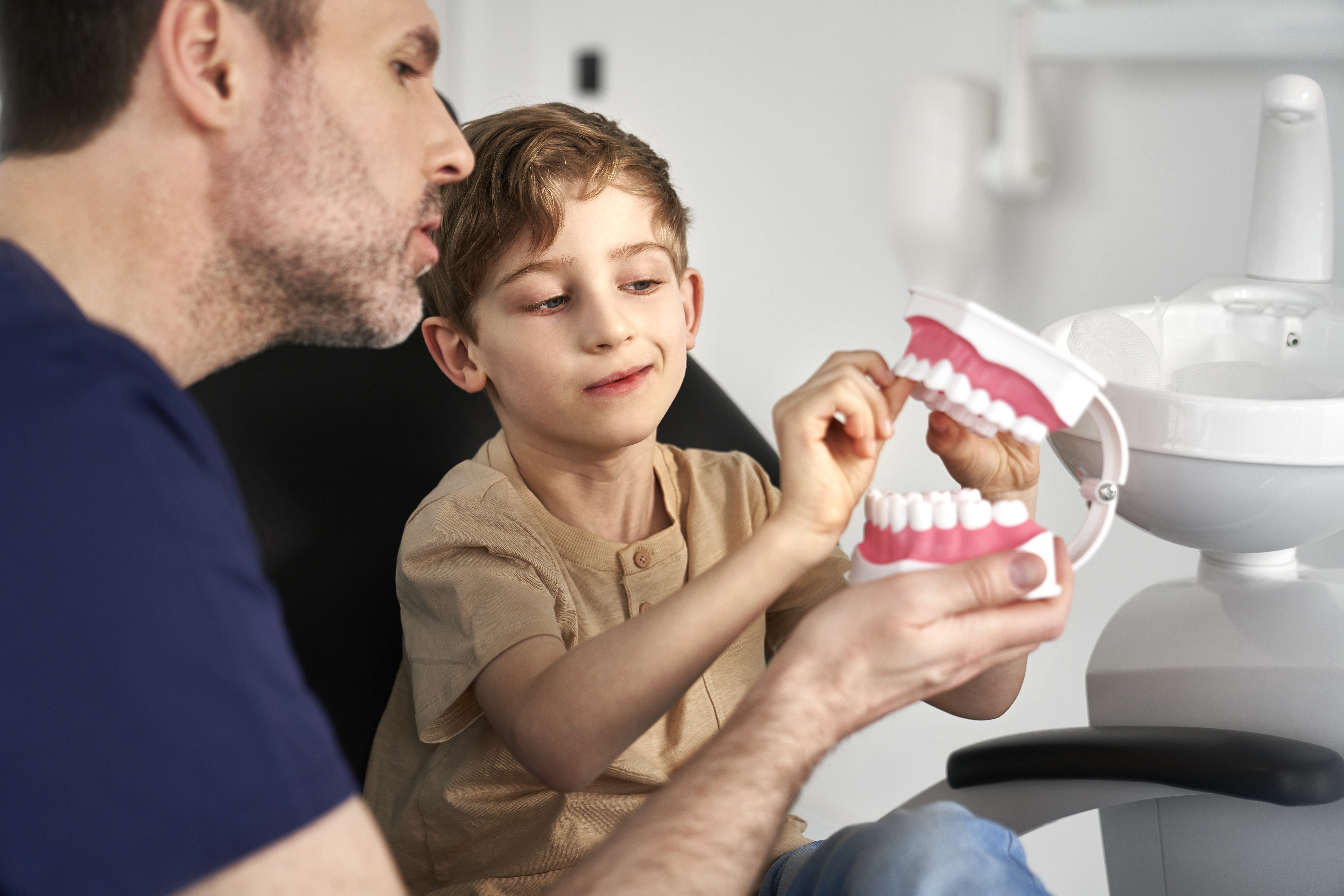
A typical visit begins with a gentle exam to assess the tooth’s condition. The dentist explains the plan using simple terms that help the child understand what will happen. Tools are introduced slowly, and each step is paced based on the child’s comfort level.
During the restoration:
- the area is numbed to prevent discomfort
- the dentist removes decay or reshapes the tooth
- a filling or crown is placed
- polishing smooths the final surface
Parents receive tips for home care, such as brushing instructions, soft-food suggestions if needed, and reminders to encourage good habits.
A Note From a Lenexa Parent
“My son had a cavity that made him chew oddly. After the restoration, he went back to his normal eating habits almost immediately. His smile looked natural again, and brushing wasn’t a struggle anymore.”
FAQs About Kids’ Dental Restorations in Lenexa
1. How do I know if my child needs a restoration?
Look for signs like sensitivity, dark spots, food avoidance, or discomfort while chewing. A dental exam confirms the best treatment.
2. Do restored baby teeth still fall out normally?
Yes. Restorations protect baby teeth until they fall out naturally and guide adult teeth into the right place.
3. Are tooth-coloured fillings safe for kids?
Yes. Tooth-coloured materials are commonly used and designed to blend naturally with the child’s smile.
4. How long do restorations last?
Longevity depends on brushing habits, diet, and the type of restoration. Regular checkups help maintain them.
5. Can a restoration prevent future dental issues?
It can reduce the risk of spreading decay, possible infection, and bite problems that may affect adult teeth.
6. What if my child feels nervous before treatment?
A calm environment, clear explanations, and gentle pacing help. Some children benefit from comfort options depending on the situation.
7. Are crowns common in children?
Yes. For deeper decay or weakened teeth, crowns provide strength and reduce the chance of further damage.
8. What if the tooth is injured again?
A dentist can evaluate the damage and repair or adjust the restoration if needed.
Your Next Step to a Healthier Smile
Parents often notice meaningful changes when their child receives the right restoration at the right time. Jenkins Dentistry Kids-Lenexa helps families understand how these treatments support comfort, growth, and confidence as children move through each stage of development. When parents recognize the before-and-after differences, they feel more prepared to support their child’s smile and long-term health.