
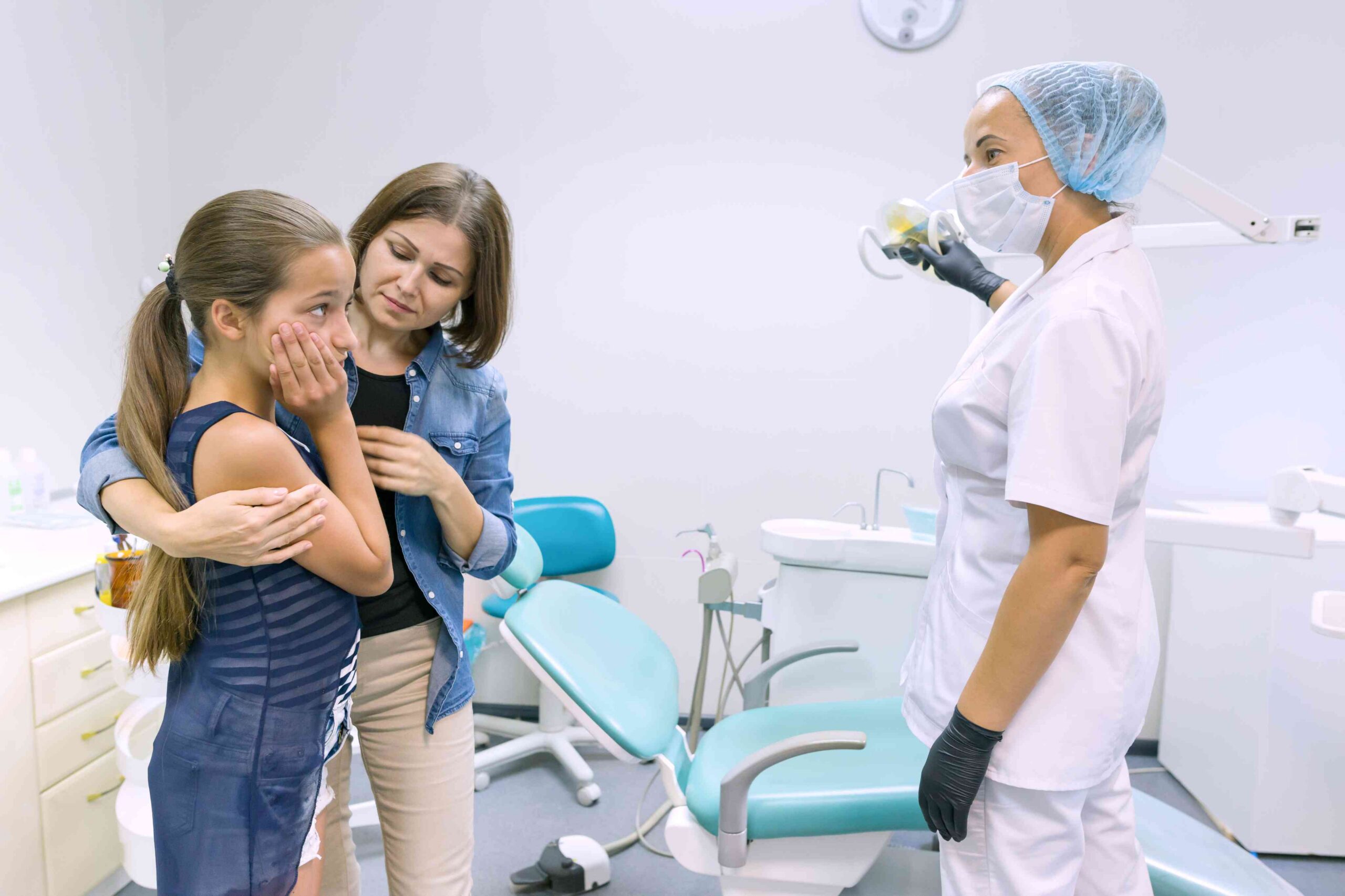
Children’s teeth experience daily stress from chewing, falls, sports activities, sugary snacks, and the development of hygiene habits. Even with strong preventive care, cavities, fractures, and enamel damage may still occur during childhood. Restorative dentistry helps repair these concerns while supporting healthy oral development and long-term comfort.
Many parents worry when a child develops a cavity or damages a tooth, especially if discomfort begins interfering with eating or sleeping. Early restorative treatment often helps preserve natural tooth structure while reducing the likelihood of more complicated dental concerns later.
Families exploring dental restoration options in Lenexa, KS, usually seek treatments that offer gentle care, transparent communication, and practical, lasting solutions for developing smiles. Pediatric restorative dentistry today focuses not only on repairing teeth but also on helping children feel calm and supported during the process.
Timely restorative care may improve both oral function and overall confidence for young patients.
Cavities Can Progress Faster in Children
Children’s teeth are more vulnerable to decay because enamels are thinner than adult enamels in many cases. Frequent snacking, sugary beverages, inconsistent brushing, and hard-to-clean molars may all increase the risk of cavities during childhood.
Small cavities may gradually deepen if treatment is delayed, potentially leading to pain, infections, or difficulty of chewing. Restorative treatment often becomes more conservative and manageable when concerns are identified earlier.
Routine examinations help clinicians monitor tooth development while identifying areas requiring treatment before symptoms worsen significantly.
Parents often feel reassured when restorative treatment is explained clearly and approached in a child-friendly manner.
Restorative Dentistry Supports Healthy Oral Development
Baby teeth continue playing an important role even though they eventually fall out naturally. Primary teeth help maintain spacing for permanent teeth while supporting speech development and comfortable chewing.
Untreated decay affecting baby teeth may sometimes influence neighboring teeth or or oral development over time. Restorative care, therefore, helps preserve both comfort and long-term stability during important growth stages.
Children receiving Dental Restoration in Lenexa, KS, may benefit from treatment tailored to their age, developmental needs, and comfort levels, rather than an adult-centered approach.
Protecting developing smiles early often reduces future complications involving spacing or alignment.
Tooth-Colored Fillings Create Natural-Looking Repairs
Modern pediatric restorative dentistry increasingly uses tooth-colored materials designed to blend naturally with surrounding teeth. These restorations help repair cavities while preserving a more natural appearance and comfortable bite.
Tooth-colored fillings may also allow clinicians to remove less healthy tooth structure compared to some older restorative methods. Conservative treatment planning remains especially important for growing smiles whenever possible.
Within Jenkins Dentistry for Kids- [Lenexa], restorative conversations may involve discussing treatment options, preventive habits, and long-term maintenance recommendations in ways that feel approachable and reassuring for both children and parents.
Clear explanations often help reduce anxiety before restorative appointments begin.
Dental Injuries Sometimes Require Restorative Attention
Active children occasionally experience chipped, cracked, or otherwise damaged teeth from sports, playground falls, or accidental injuries. Some injuries remain minor, while others may affect deeper tooth structures and require immediate evaluation.
Prompt treatment helps determine whether restorative care may improve comfort, preserve the tooth, or prevent additional complications. Even small fractures deserve professional attention because damage can gradually worsen over time.
Parents seeking Dental Restoration in Lenexa, KS, appreciate practices that prioritize quick evaluations and supportive communication after unexpected dental injuries.
Early intervention often improves both treatment outcomes and recovery experiences.
Children Often Feel Better with Gentle Communication
Dental treatment can feel intimidating for children if procedures are not explained in supportive and age-appropriate ways. Fear of unfamiliar instruments, sounds, or discomfort may create anxiety before appointments.
Pediatric restorative environments often focus heavily on communication, encouragement, and calm pacing during treatment. Helping children understand what to expect may significantly improve their comfort throughout the appointment.
Supportive experiences can positively influence how children feel about dentistry long after restorative care is completed.
Creating positive treatment of memories often encourages stronger preventive habits later in life.
Preventive Care Remains Important After Restorative Treatment
Restorative treatment repairs existing concerns, but long-term oral health still depends heavily on preventive habits afterward. Brushing, flossing, routine cleanings, and balanced nutrition all continue supporting healthier teeth and gums over time.
Regular preventive visits also allow clinicians to monitor restorations while identifying any new concerns early. Consistency often helps reduce the likelihood of recurrent cavities or the need for additional restorative treatment later.
Parents frequently notice stronger long-term outcomes when preventive routines become part of everyday family habits.
Preventive education, therefore, remains closely connected to the success of restorative care.
Restoring Children’s Teeth Often Improves Daily Comfort
Children experiencing tooth pain or sensitivity may avoid eating certain foods, chewing comfortably, or smiling confidently. Restorative treatment often helps improve everyday comfort while supporting healthier oral function.
Modern pediatric restorative dentistry focuses on repairing teeth gently while creating supportive experiences for children and families alike. Parents appreciate the patient-centered approach and preventive philosophy emphasized by Jenkins Dentistry for Kids – [Lenexa] in restoring and protecting developing smiles.
Frequently Asked Questions
Why are cavities common in children?
Children’s teeth are more vulnerable to decay because of thinner enamel, sugary foods, and poor hygiene habits.
Can baby teeth require restorative treatment?
Yes. Primary teeth still support chewing, spacing, speech, and healthy oral development during childhood.
Are tooth-colored fillings used for children?
Modern pediatric restorative dentistry often uses natural-looking tooth-colored materials to repair cavities comfortably.
What should parents do if a child chips a tooth?
Professional evaluation is recommended because even small fractures may worsen or affect deeper tooth structures.
How can families reduce future restorative treatment needs?
Routine cleanings, preventive care, strong brushing habits, and ongoing guidance from Jenkins Dentistry for Kids- [Lenexa] may help support healthier long-term oral development.